Guide to Certified Green Hotels 2026: Benefits, Tech & Examples
In 2026, the global hospitality industry has reached a tipping point where sustainability is no longer a niche preference but a core operational standard. For travelers and business event planners alike, the most reliable way to verify a property’s commitment to the planet is through third-party accreditation. This article explores the depth of the Certified Green Hotels ecosystem, the technology driving this change, and the real-world impact of choosing verified sustainable accommodations.
The Strategic Importance of Certified Green Hotels in 2026
As of early 2026, the distinction between a “green” hotel and a “certified green” hotel has become critical. While many properties claim eco-friendly practices—a phenomenon often criticized as “greenwashing”—certification provides a rigorous, audited framework that guarantees measurable performance. Leading standards such as LEED (Leadership in Energy and Environmental Design), Green Key, and EarthCheck require hotels to meet strict benchmarks in energy efficiency, water conservation, waste management, and social responsibility. For a hotel to earn these accolades, it must undergo a comprehensive third-party audit of its supply chain, building materials, and daily operations.
The importance of these certifications extends beyond environmental preservation to guest trust and corporate compliance. In 2026, over 83% of global travelers value sustainable travel, yet a significant portion remains skeptical of vague marketing claims. Third-party labels serve as a verified trust signal that directly influences booking decisions on platforms like Google Hotels and Booking.com, which now feature high-visibility sustainability badges. Furthermore, for corporate travel managers, selecting certified properties is often a prerequisite for meeting Environmental, Social, and Governance (ESG) targets required by new international regulations.
Technological Foundations of Sustainable Hospitality
The success of a certified green hotel in 2026 is largely determined by its “tech stack.” Modern sustainability relies on the Internet of Things (IoT) and Artificial Intelligence (AI) to optimize resource consumption in real-time. Smart Building Management Systems (BMS) are the heartbeat of these properties, using a network of sensors to monitor occupancy and adjust HVAC (heating, ventilation, and air conditioning) and lighting levels accordingly. For instance, if a guest leaves their room, AI-driven thermostats automatically shift to an eco-mode, significantly reducing energy waste without human intervention. This technology alone can reduce a property’s energy footprint by up to 30%, a vital metric for achieving high-tier certifications.
In addition to energy management, technology plays a pivotal role in water conservation and waste reduction. Advanced greywater recycling systems—which treat water from sinks and showers for use in irrigation and toilets—are now standard in LEED-certified constructions. On the operational side, hotels utilize AI-powered waste-tracking systems like Winnow to monitor food waste in kitchens, providing data that allows chefs to adjust procurement and reduce organic waste by half. By digitalizing the sustainability journey, hotels can generate the precise, real-time documentation required for rigorous annual audits, making the certification process more transparent and achievable.
Practical Advantages and Corporate Benefits
Choosing a certified green hotel offers immediate practical advantages for both the business traveler and the leisure guest. For the corporate sector, these hotels solve the problem of “scope 3 emissions” reporting. When an employee stays at a LEED Zero Carbon or Green Key-certified property, the carbon footprint of that stay is significantly lower and, more importantly, accurately documented. This allows companies to report their travel emissions with confidence, aiding in the achievement of net-zero goals. Many certified hotels also offer “Green Meeting” packages, where everything from the digital-only signage to the locally sourced, low-carbon catering is designed to minimize the environmental impact of corporate events.
For the individual traveler, the benefits are often felt in the “wellness” aspect of the stay. Certified green hotels prioritize indoor air quality by using non-toxic cleaning products (often EU Ecolabel or Green Seal certified) and advanced HEPA filtration systems. The move toward biophilic design—incorporating natural elements, plants, and natural light—has been scientifically linked to reduced stress levels and better sleep quality. Thus, a certified green stay isn’t just a win for the planet; it is a superior experience for the guest, offering a healthier, more tranquil environment compared to traditional, chemical-heavy hotel operations.
Real-World Examples of Certified Green Excellence
The following properties represent the gold standard of sustainable hospitality in 2026, utilizing varied strategies to achieve world-class certification.
1. ITC Windsor, Bengaluru (LEED Zero Carbon)

The ITC Windsor holds the distinction of being the first hotel in the world to achieve the LEED Zero Carbon Certification. This is an extraordinary use case because it demonstrates that even historic, luxury properties can reach net-zero status through strategic retrofitting. The hotel achieves this by drawing 100% of its electrical energy from its own off-site wind and solar farms. By decoupling its operations from the fossil fuel grid, the hotel eliminates its operational carbon emissions entirely.
The relevance of this example lies in its holistic approach to resources. Beyond carbon, the hotel uses a sophisticated “zero-water” strategy, where every drop of water is treated and recycled for secondary uses like gardening and cooling towers. For the business traveler, staying here means their carbon footprint for the duration of the stay is effectively zero, providing the ultimate “green” credential for corporate sustainability reporting.
2. Novotel Itu Golf & Resort, Brazil (Green Key)

In April 2025, this property became the first resort in Brazil to earn the Green Key eco-certification. This use case is a testament to the power of operational transformation. The resort eliminated over 215,000 single-use plastic items in a single year, replacing them with biodegradable or reusable alternatives. This move directly addresses the plastic pollution crisis, which is a major concern for coastal and resort destinations globally.
Novotel Itu also utilizes over 200 solar panels specifically for water heating, significantly reducing the energy required for its pools and guest bathrooms. The property’s commitment extends to social sustainability, as it actively supports local NGOs to improve housing in the surrounding Itu region. This shows that “green” certification in 2026 is as much about community impact as it is about environmental metrics.
3. Hyatt Regency Amsterdam (BREEAM Excellent)

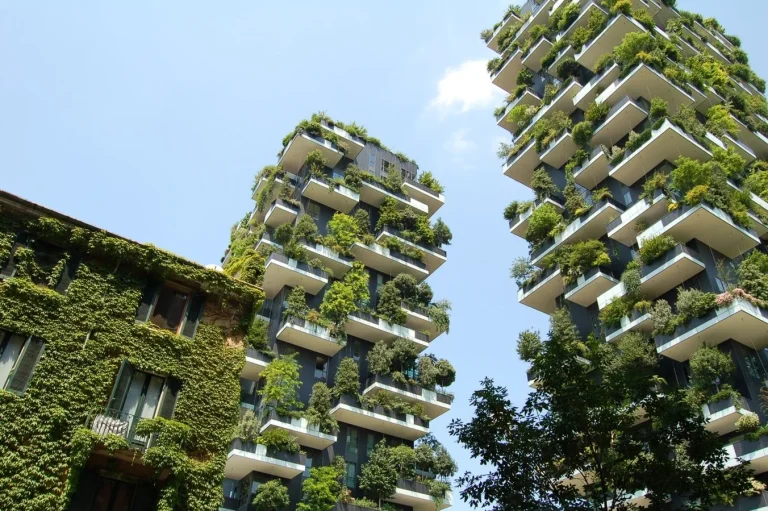
The Hyatt Regency Amsterdam is a prime example of BREEAM Excellent certification, focusing on “living architecture.” The building features a partially overgrown facade which provides climate compensation, naturally cooling the building in summer and insulating it in winter. This reduces the reliance on mechanical HVAC systems, showcasing how nature-integrated design can lead to massive energy savings in an urban environment.
Technologically, the hotel uses a sophisticated energy management system that monitors every kilowatt of consumption. For guests, the property is a “digital detox” within a green sanctuary, featuring refillable water stations throughout the lobby to discourage plastic bottle use. This example highlights how urban hotels can become “green lungs” for a city, contributing to both environmental goals and guest well-being.
Strategic Use Cases for Sustainable Solutions
A primary use case for certified green hotels is Corporate Event Planning. In 2026, event organizers face immense pressure to prove the sustainability of their conferences. Hosting an event at a LEED Gold or Platinum convention hotel—such as the Moscone Center in San Francisco (LEED Platinum)—instantly provides the data needed for a sustainability report. These venues often feature the world’s largest rooftop solar arrays and graywater systems that recycle rainwater for landscaping, ensuring that a 5,000-person event doesn’t place an undue burden on local municipal resources.
Another critical use case is Eco-Tourism in Sensitive Ecosystems. Hotels like The Hideout in Thailand or Three Camel Lodge in Mongolia use their green certifications to protect the very environments that attract their guests. By using modular construction to minimize site disturbance and 100% renewable energy, these properties prevent the “destination degradation” that often follows tourism growth. For the traveler, these certified hotels provide a “guilt-free” luxury experience, knowing that their presence is contributing to local conservation efforts rather than depleting natural heritage.
Practical Advantages and Advantages of Green Certification
The advantages of certification are multi-faceted, starting with Brand Differentiation. In a saturated market, a third-party eco-label is a powerful differentiator. It acts as a “hallmark of quality” that attracts the growing segment of conscious consumers who are often willing to pay a premium for verified sustainable options. Furthermore, these properties often report higher customer satisfaction scores, as guests increasingly associate sustainability with higher quality of care, fresher food, and healthier living environments.
From an operational standpoint, the most immediate advantage is Cost Optimization. While the initial technology investments (like solar panels or smart BMS) can be high, the long-term ROI is undeniable. Certified hotels typically see a 19% reduction in fresh water use and a 24% reduction in waste volume per guest night. In a 2026 economy characterized by fluctuating energy prices, the energy-independent nature of many certified hotels provides a significant hedge against utility price spikes, ensuring long-term financial stability for the property owner.
Meta Title: Guide to Certified Green Hotels 2026: Benefits, Tech & Examples Meta Description: Discover why certified green hotels are essential in 2026. Learn about LEED, Green Key, and EarthCheck certifications, sustainable tech, and real-world examples.
Frequently Asked Questions
What is the difference between “Green” and “Certified Green”? A “green” hotel is a self-proclaimed status that may include some eco-friendly practices but lacks independent verification. A “certified green” hotel has undergone a rigorous audit by a third-party organization (like LEED, Green Key, or GSTC) to prove it meets specific, measurable sustainability standards.
Does staying in a green hotel cost more for the guest? While some eco-luxury resorts may have higher rates, many certified green hotels are competitively priced. In fact, because these hotels are more efficient at managing energy and water, they often have lower operational costs, which can help keep room rates stable. Additionally, many travelers view the healthier indoor environment as an added value.
How can I find certified green hotels when booking? In 2026, major booking platforms like Google Hotels, TripAdvisor, and Booking.com use high-visibility badges (often a green leaf or a “Certified” label) to highlight properties with third-party accreditation. You can also visit the official directories of certification bodies like GreenKey.global or the USGBC (for LEED) to search for verified properties.