Buy Sustainable Hotel Technology: Top Eco-Friendly Upgrades for 2026
Investing in the Future: A Guide to Purchasing High-Performance Sustainable Hotel Technology
The shift toward environmental responsibility in the hospitality sector has moved past simple philosophy and into the realm of high-stakes financial investment. In 2026, “sustainability” is no longer just a buzzword found in annual reports; it is a primary driver of property value, guest satisfaction, and operational resilience. For hotel owners and asset managers, the question has shifted from “Why should we go green?” to “Which technologies should we buy to maximize our ROI?”
Purchasing the right sustainable hotel technology requires a strategic approach that balances initial capital expenditure with long-term energy savings and brand equity. From AI-powered HVAC controllers that slash utility bills to advanced water filtration systems that eliminate the need for plastic, the market is currently flooded with innovative solutions. This guide focuses on the top transactional opportunities for hotels looking to modernize their infrastructure and capture the growing market of eco-conscious travelers.
The Economic Case for Smart Green Infrastructure
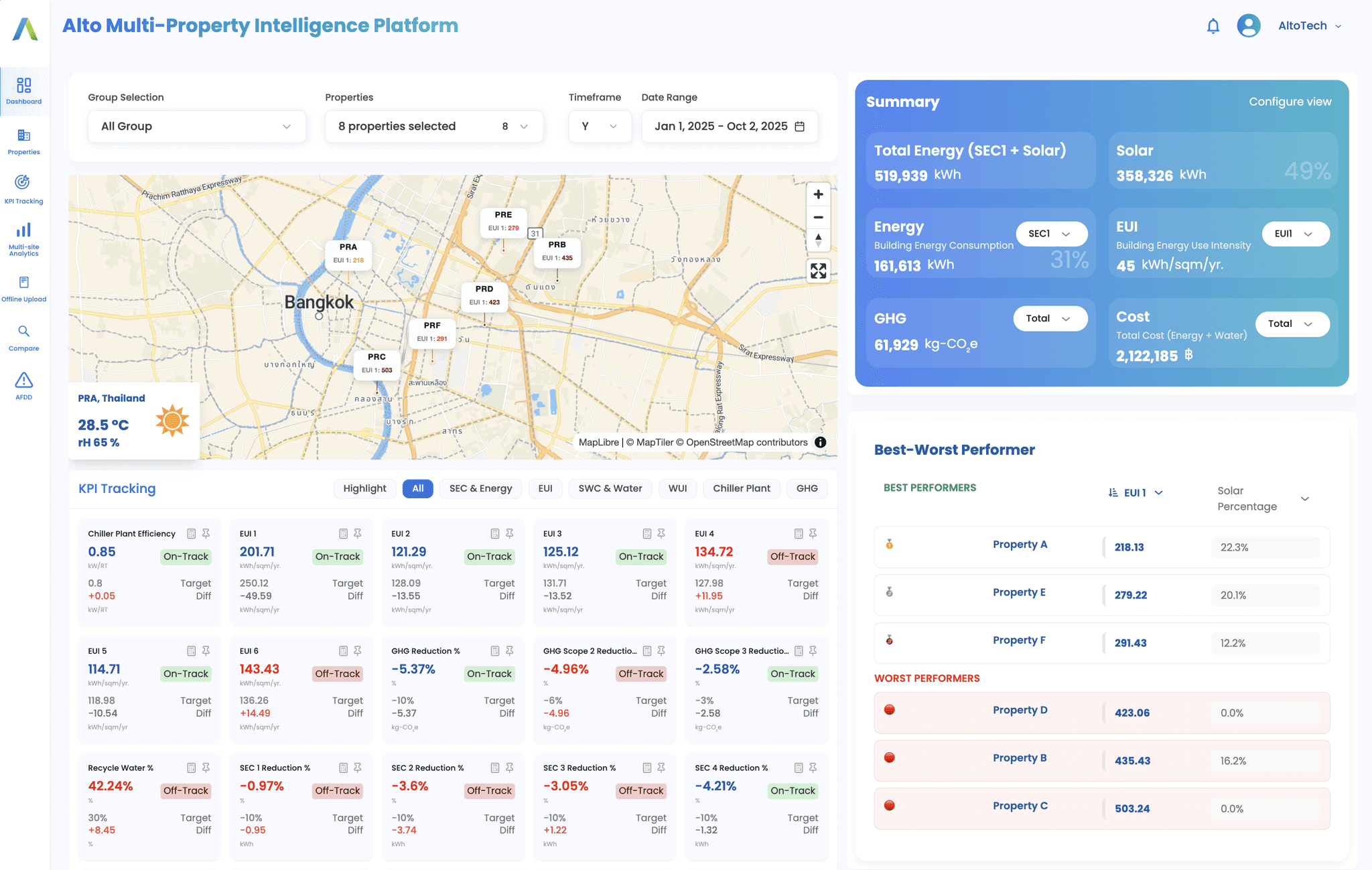
The primary motivation for purchasing sustainable technology in 2026 is the immediate impact on a hotel’s bottom line. Utility costs—encompassing electricity, gas, and water—represent one of the largest controllable expenses for any lodging facility. By investing in smart infrastructure, properties can automate the reduction of waste, ensuring that lights are never left on in empty ballrooms and that air conditioning isn’t cooling an unoccupied guest suite. These systems pay for themselves through “negawatts”—the energy you never have to buy in the first place.
Beyond direct savings, there is a significant “green premium” in the current real estate market. Properties with high-level sustainability certifications, such as LEED Platinum or BREEAM Outstanding, command higher resale values and lower insurance premiums. Furthermore, corporate travel buyers and major booking platforms now prioritize eco-certified hotels in their search results. Buying into sustainability is essentially a marketing investment that secures a hotel’s place in the future of global tourism distribution.
Advanced Resource Management Through IoT and AI
The most transformative technology available for purchase today is the Integrated Energy Management System (EMS). Modern EMS platforms use the Internet of Things (IoT) to connect every energy-consuming device in a hotel—from the laundry room boilers to the minibar fridges—into a single, AI-optimized network. These systems don’t just follow a schedule; they learn. By analyzing weather forecasts, occupancy patterns, and even the thermal retention of specific rooms, the AI can make micro-adjustments that save thousands of dollars annually without the guest ever noticing a change in comfort.
Similarly, smart water management technology has become a critical purchase for hotels in water-stressed regions. Advanced acoustic leak detection systems can find pinhole leaks behind walls before they cause structural damage, while smart irrigation controllers use local satellite data to ensure gardens are only watered when necessary. In 2026, buying these technologies is considered a “defensive” investment—protecting the property against rising resource costs and the physical risks associated with climate change-induced scarcity.
Practical Benefits of Specific Eco-Friendly Product Integration
When a hotel decides to buy and implement specific sustainable products, the benefits manifest in two distinct ways: operational efficiency and guest perception. Operationally, products like low-flow high-pressure showerheads and smart thermostats reduce the “human error” factor of resource waste. Even the most environmentally conscious guest might forget to turn off the AC before heading to the beach, but a smart system ensures the property doesn’t pay for that oversight. This leads to a predictable and lower monthly overhead.
On the guest-facing side, the presence of visible, high-quality sustainable technology serves as a “silent concierge” that communicates the brand’s values. High-tech composters in the kitchen or transparent energy-usage displays in the lobby act as proof-of-work for the hotel’s green claims. This transparency builds a deep level of trust and loyalty with “Gen-Z” and “Millennial” travelers, who are statistically more likely to return to and recommend a hotel that proves it is actively working to reduce its environmental impact.
Top 5 Sustainable Hotel Technology Products for 2026
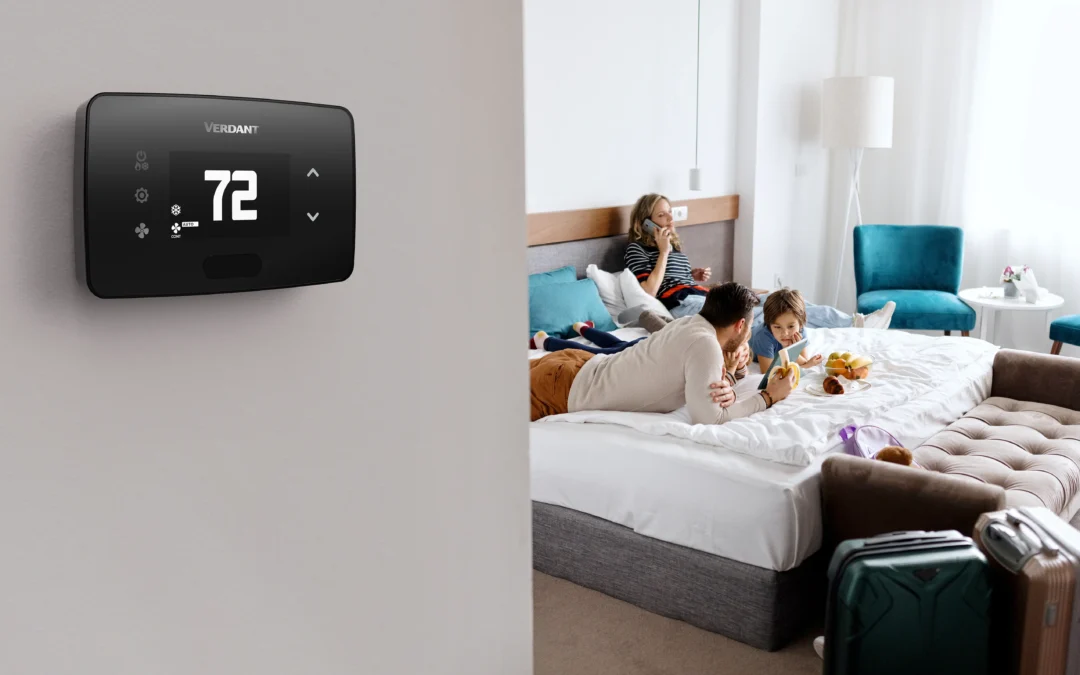
The Verdant VX4 Smart Thermostat is arguably the most essential purchase for any hotel looking to reduce energy waste immediately. It uses a combination of thermal and motion sensors to determine if a room is truly occupied, allowing it to drift to an energy-saving setpoint when the guest is out. The relevance of this product is its proven ROI; most hotels see a 15% to 20% reduction in total energy costs within the first year of installation. It integrates seamlessly with Property Management Systems (PMS) to ensure rooms are pre-cooled just before a guest checks in.

The Orbisk AI Food Waste Monitor is a game-changer for hotel food and beverage departments. By using computer vision to identify what food is being thrown away and why, it provides chefs with actionable data to optimize their menus and ordering. The relevance of Orbisk is its ability to turn “trash into cash” by identifying overproduction patterns. For large hotels with buffets and banquet halls, this technology can reduce food waste by up to 50%, significantly lowering both procurement costs and disposal fees.
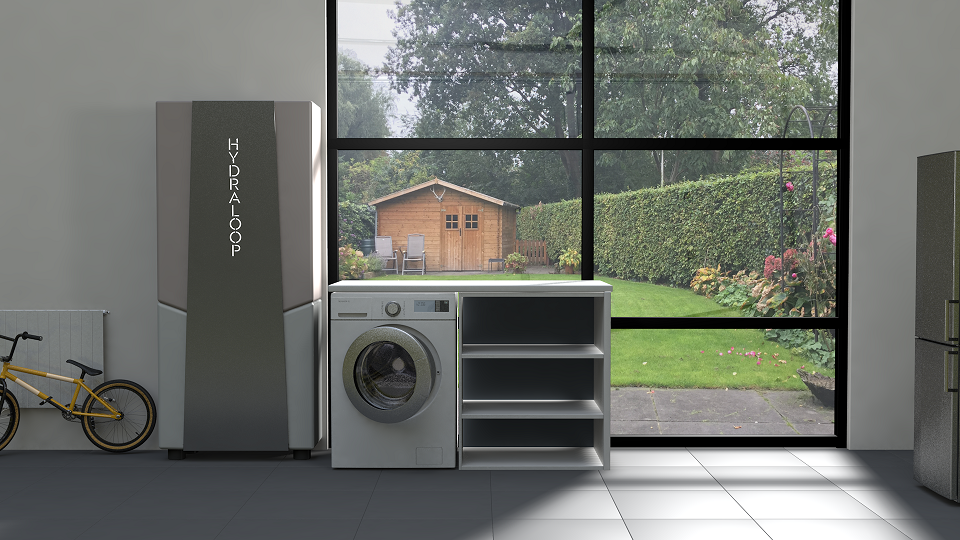
The Hydraloop H300 is an award-winning decentralized water recycling system that allows hotels to treat and reuse greywater from showers and sinks on-site. Instead of sending water down the drain, the Hydraloop cleans it for use in toilets and garden irrigation. Its relevance lies in its ability to reduce total water consumption by up to 45%. For hotels in urban areas with high water tariffs or remote resorts where water is scarce, this is a “must-buy” product that provides long-term utility independence.

The Meiko Bio-Master is an industrial-grade solution for the “zero-waste” hotel. It processes all food waste—including bones and fats—into a homogenous biomass that can be collected and turned into biogas or high-quality fertilizer. The relevance of this product is its elimination of the “smelly bin” problem and the reduction of pest risks in hotel loading docks. By investing in a Bio-Master, hotels can eliminate the carbon-heavy process of traditional waste hauling while contributing to a circular local economy.
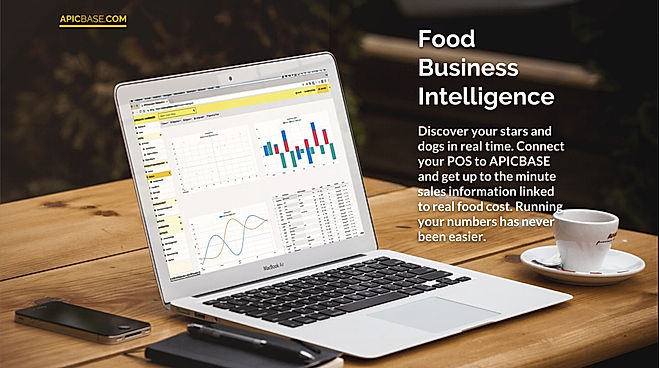
Apicbase is a comprehensive software platform designed to manage the entire culinary lifecycle of a hotel group. While it handles inventory and recipes, its standout feature for 2026 is its automated carbon footprint calculation for every dish. The relevance of Apicbase is its ability to help hotels meet mandatory ESG (Environmental, Social, and Governance) reporting requirements. By buying this software, hotel operators can transparently show guests and investors exactly how they are reducing the environmental impact of their dining operations.
Solving Real-World Operational Challenges
One of the most pressing problems sustainable products solve is the “Reporting Gap.” In 2026, many countries have introduced mandatory climate disclosure laws for large businesses, including hotel chains. Manually tracking energy, water, and waste across hundreds of rooms is nearly impossible. Sustainable technology products solve this by providing “single-pane-of-glass” reporting, where data is automatically collected and formatted into audit-ready reports. This saves thousands of hours in administrative labor and prevents the legal risks associated with inaccurate environmental claims.
Furthermore, these products solve the “Labor Shortage” crisis by automating routine maintenance and monitoring tasks. In the past, a maintenance worker would have to walk the property to find a leaking pipe or a malfunctioning AC unit. Today, smart sensors alert the team to the exact location of a problem before it escalates. This allows hotels to operate efficiently with smaller teams, focusing their human resources on guest service rather than chasing down inefficiencies. People need these products because they turn a chaotic, reactive operation into a streamlined, proactive business.
How to Purchase and Implement Green Technology
Buying sustainable hotel technology is a multi-step process that begins with a professional energy and water audit. Before clicking “buy” on a fleet of new thermostats or recyclers, it is crucial to understand your property’s current baseline. Many of the manufacturers listed above offer a “Pilot Program” where you can test their equipment in a small wing of your hotel to verify the savings before committing to a full-scale rollout.
To purchase these items, you can often go directly through the manufacturer’s website or contact their regional sales teams for a custom quote. Most of these products qualify for “Energy Service Company” (ESCO) financing, where the cost of the equipment is paid back through the energy savings it generates over time—meaning you can often upgrade your hotel with zero upfront capital expenditure.
Frequently Asked Questions
Are there government incentives for buying sustainable hotel equipment? Yes, in 2026, many governments offer significant tax credits and rebates for “Green Building” upgrades. In the United States, the Inflation Reduction Act provides ongoing incentives for commercial energy efficiency. In the EU, various “Green Deal” grants are available for hotels that implement circular economy technologies. Always check with a local tax professional to maximize your purchase benefits.
How long does it typically take to see a return on investment (ROI)? The ROI varies by product. Smart thermostats like Verdant usually pay for themselves within 12 to 18 months. Larger infrastructure like greywater recycling (Hydraloop) or industrial food waste systems (Meiko) typically have a 3 to 5-year payback period. However, when you factor in the increased property value and brand loyalty, the “total value of ownership” is realized almost immediately.
Can these technologies be retrofitted into older, historic hotel buildings? Absolutely. Most modern sustainable products are designed specifically for the retrofit market. For example, wireless smart thermostats don’t require expensive rewiring, and modular water recycling units can be installed in existing mechanical rooms. The flexibility of IoT and cloud-based software means that even a 100-year-old hotel can achieve 21st-century sustainability standards.