Book Extended Stay Hotel: 2026 Strategic Guide to Long-Term Lodging
The Strategic Guide to Booking Extended Stay Hotels in 2026
The hospitality landscape has undergone a profound transformation, and in 2026, the decision to book extended stay hotel accommodations has become a cornerstone for modern professionals and relocating families. Unlike traditional hotels designed for brief overnight visits, extended-stay properties are engineered for longevity, offering a hybrid experience that blends the luxury of hotel service with the practical autonomy of a private apartment. Whether you are a consultant on a three-month assignment, a digital nomad exploring a new city, or a family in the midst of a relocation, these properties provide the essential infrastructure to maintain a high-quality routine while away from home.
Securing a long-term hotel stay is no longer just about finding a room; it is about choosing a strategic “home base” that supports productivity and personal well-being. In 2026, the “extended stay” category has matured into a sophisticated market where travelers prioritize functional living spaces—including full kitchens and ergonomic workspaces—over transient amenities. By booking a managed extended-stay property, guests benefit from tiered pricing models that significantly reduce the daily cost as the length of stay increases, making it a fiscally superior alternative to unmanaged short-term rentals or standard hotel suites.
The Strategic Advantage of Managed Long-Term Lodging
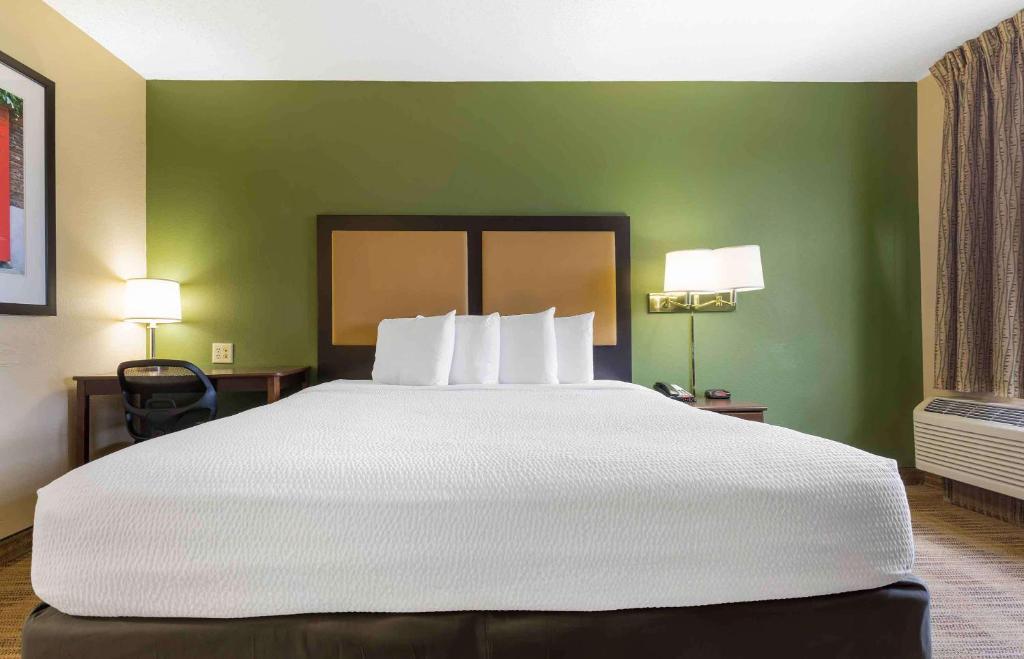
The primary driver for high-intent travelers to book an extended stay hotel is the need for operational stability and lifestyle consistency. In 2026, project-based work and corporate relocations often require stays ranging from several weeks to several months. Standard hotels frequently lack the spatial diversity and in-room facilities needed to prevent “traveler burnout.” Extended-stay hotels solve this by providing apartment-type layouts with separate zones for sleeping, working, and living. This physical separation is psychologically vital, allowing guests to mentally “switch off” from work in a way that a single-room hotel cannot facilitate.
Furthermore, the administrative and legal simplicity of an extended-stay booking is a major advantage over traditional residential leases. Conventional apartments typically require credit checks, substantial security deposits, and long-term commitments that are incompatible with the agility of modern business. When you book an extended stay hotel, you are entering into a flexible hospitality agreement. This allows for the seamless extension or shortening of your stay with minimal notice, providing a safety net for those dealing with unpredictable project timelines or fluctuating home-closing dates.
Leveraging Advanced Technology for a Frictionless Residency
The technology integrated into the 2026 extended-stay experience has reached new heights of sophistication, shifting from “convenience” to “essential infrastructure.” Modern properties now utilize Intelligent Guest Profiles (IGPs) that automatically sync a traveler’s previous preferences to their current booking. For example, when you book an extended stay hotel, the property’s AI-driven system can pre-set the room temperature, adjust the ergonomic desk height, and even pre-load your favorite streaming services onto the smart TV before you arrive. This hyper-personalization reduces the “adjustment friction” traditionally associated with moving to a new city, making the transition feel instantaneous.
Beyond personalization, the “Connected In-Stay Experience” is underpinned by enterprise-grade, secure Wi-Fi as a baseline requirement. In 2026, extended-stay hotels have moved away from shared networks to dedicated per-suite bandwidth that supports 4K video conferencing and high-speed data transfers without interruption. Additionally, IoT-enabled Smart Buildings allow guests to control every aspect of their environment via a single mobile application—from keyless entry and elevator access to monitoring laundry machine availability in real-time. This level of technical autonomy empowers guests to manage their daily lives with the same efficiency they enjoy at home.
Economic and Lifestyle Benefits of Committed Stays
The most immediate financial benefit of booking an extended stay is the substantial cost-effectiveness achieved through tiered pricing. In 2026, most major brands operate on a “tiered discount” model where stays of 30 nights or more can be 30% to 50% cheaper than the equivalent nightly rate. Furthermore, in many jurisdictions, guests staying longer than 30 consecutive days are exempt from local occupancy taxes, providing an additional 10% to 15% in direct savings. These financial incentives make the extended-stay model a far more responsible choice for corporate procurement departments and budget-conscious individuals alike.
From a lifestyle perspective, the inclusion of a fully equipped kitchen is a critical factor in maintaining health and reducing expenses. Being able to prepare healthy meals in-suite eliminates the reliance on expensive and often calorie-dense restaurant food, while also providing a sense of normalcy and routine. Additionally, managed properties provide a professional safety net that individual short-term rentals cannot match. With 24/7 on-site support, secure mail and package handling, and weekly professional housekeeping, guests can focus entirely on their professional or personal objectives without being bogged down by household maintenance.
Real-World Examples of Industry-Leading Extended Stay Solutions
To illustrate the practical application of these strategies, we can examine three leading brand models that define the 2026 extended-stay landscape.
1. Marriott Residence Inn: The Upscale Social Hub

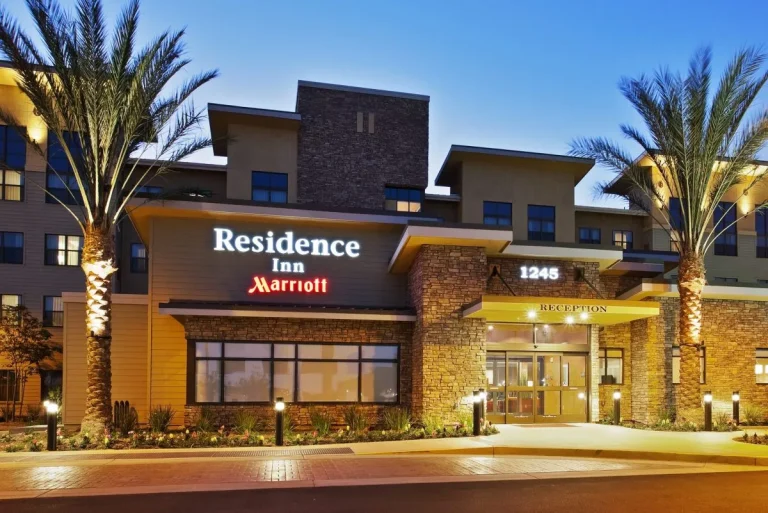
Marriott’s Residence Inn remains the global benchmark for the upscale extended-stay segment. Its relevance in 2026 is centered on its “Upscale, Social, Local” philosophy, which targets high-intent professionals who want to feel integrated into their new community. The brand utilizes the Marriott Bonvoy ecosystem to offer seamless direct booking and mobile check-in, ensuring that a consultant’s 60-day assignment is as friction-free as possible from the moment of reservation.
The Residence Inn model solves the problem of “social isolation” for long-term travelers. By providing communal areas specifically designed for networking and collaborative work, it helps guests build a local professional network. The suites themselves are designed as true apartments, featuring full kitchens with stainless steel appliances and distinct living zones, making them ideal for relocating executives who require a high-standard “home base” while they search for permanent housing.
2. Choice Hotels Everhome Suites: The Midscale Efficiency Leader

Choice Hotels’ Everhome Suites brand represents the next generation of midscale extended-stay efficiency. In early 2026, Choice debuted a redesigned prototype that blends design innovation with “investment intelligence.” The brand is highly relevant for travelers who prioritize a “Closer to Home” experience with a focus on productivity. The suites are newly constructed and feature apartment-style layouts with fully equipped kitchens and high-speed self-service marketplaces for 24/7 convenience.
Everhome Suites solves the “rigid design” problem of traditional hotels. Its modular furniture allows a guest—such as a traveling nurse or an IT contractor—to customize their workspace to accommodate multiple monitors or specialized equipment. This brand provides a highly reliable, consistent environment across high-growth markets, ensuring that travelers have a high-quality, mid-priced option regardless of their project location.
3. Element by Westin: The Wellness-Centric Choice

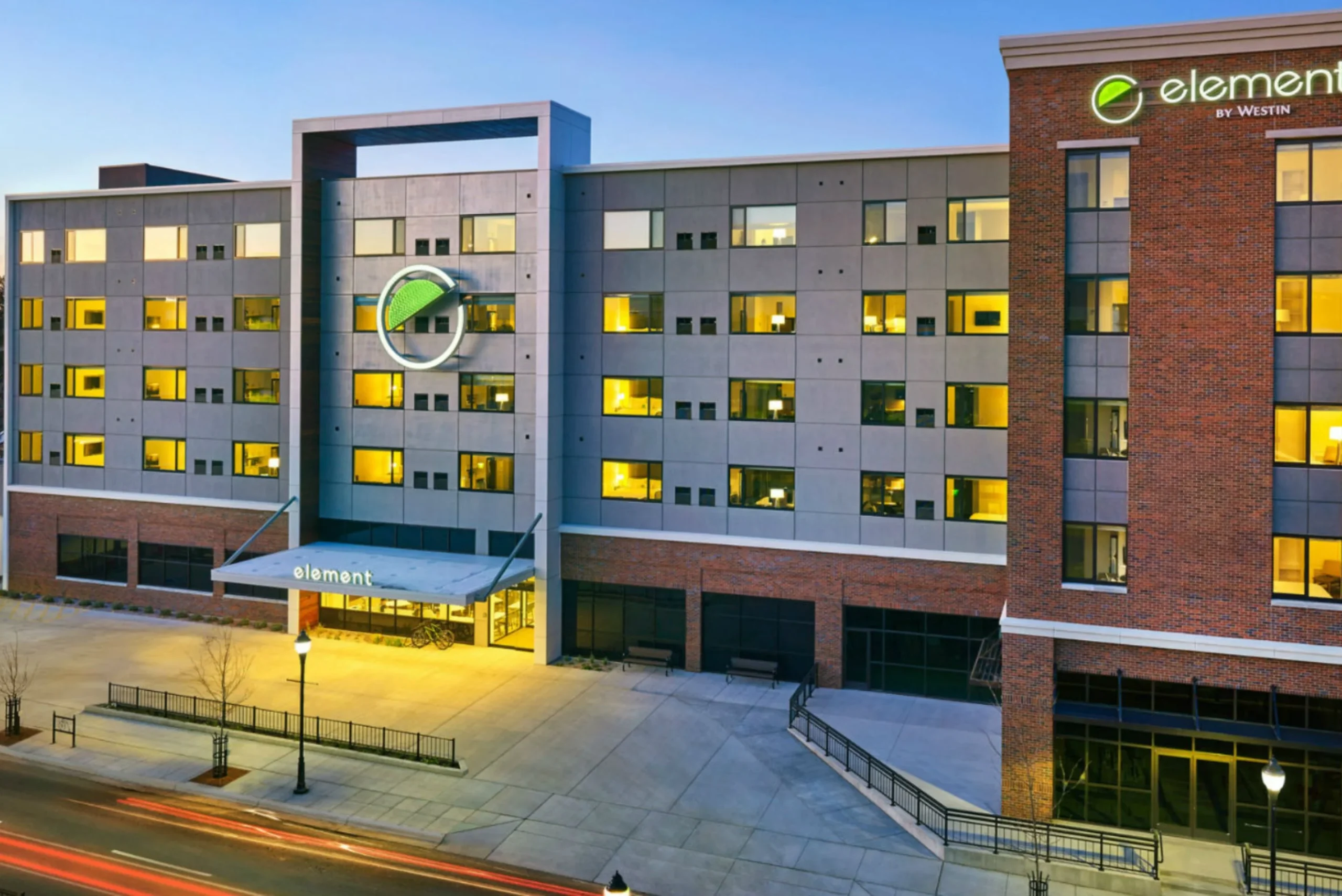
Element by Westin is the premier choice for the wellness-focused long-term traveler. Its relevance in 2026 is rooted in “Balanced Travel,” providing an environment that promotes health through its “Rise” complimentary breakfast (focusing on whole foods) and saline pools. The technology in these suites focuses on sustainability and air quality, utilizing high-efficiency filtration systems and eco-friendly materials that provide a “cleaner” living experience for those spending several months in one location.
This brand solves the “healthy lifestyle maintenance” problem often faced by road warriors. Many travelers find that their fitness and diet suffer during long assignments; Element counters this by providing kitchens with healthy recipe guides and “Bikes to Borrow” programs for local exploration. It is the ideal solution for the modern professional who views their physical and mental health as a prerequisite for their job performance.
Solving Strategic Problems with Extended Stays
A critical use case for booking an extended stay is “The Relocation Bridge.” When an individual or family moves for a new career opportunity, there is often a significant gap between their arrival and their new home being ready. Staying in a cramped, traditional hotel room for this period is physically and mentally exhausting. An extended stay provides a bridge, allowing the family to stay together in a multi-room suite with a kitchen, maintaining their sense of normalcy and routine during one of life’s most stressful transitions.
Another significant use case is “Project-Based Workforce Management.” Companies in the construction, engineering, and tech sectors often deploy teams to a specific site for 10 to 20 weeks. Managing dozens of individual nightly hotel reservations and hundreds of daily meal receipts is an administrative nightmare. By booking a block of extended-stay suites, the company can centralize its team, provide a consistent living standard, and utilize “consolidated billing” to simplify expense reconciliation, ensuring the team remains productive, safe, and focused on the project’s success.
Practical Advantages of Managed Professional Lodging
The utility of the extended-stay model lies in its “Operational Stability.” In a fast-moving 2026 economy, the “total cost of ownership” for a business trip includes the employee’s well-being and productivity. By choosing a managed property rather than an unvetted short-term rental, the “lifestyle friction” is removed. The technology ensures that the resident is always “connected,” while the residential amenities ensure they are always “rested.”
Ultimately, the decision to book an extended stay hotel is about “Strategic Peace of Mind.” For the guest, it means knowing they have a home, not just a room. For the corporation, it means knowing their budget is respected and their workforce is housed in a safe, vetted environment. By moving away from the “hit-or-miss” nature of individual vacation rentals and toward professional, tech-enhanced extended-stay providers, stakeholders ensure that their long-term travel is a foundation for success.
Frequently Asked Questions
How can I ensure the best possible rate when booking an extended stay? To maximize savings, it is recommended to book directly through the brand’s website and check for “Length of Stay” (LOS) tiers. Typically, a stay of 7 nights triggers the first discount, with a more significant reduction at 30 nights. In 2026, many brands also offer “Business Flex” rates that combine these deep discounts with the ability to cancel or amend your stay with just a few days’ notice, providing the ultimate balance of value and agility.
What is the difference between a serviced apartment and an extended-stay hotel? While both offer apartment-style facilities, an extended-stay hotel typically provides more “hospitality-grade” services, such as a 24-hour front desk, standardized security, and on-site amenities like fitness centers and social events. Serviced apartments are often located in residential buildings and may offer less frequent housekeeping or on-site support. For travelers who prioritize consistency and professional management, the extended-stay hotel is usually the preferred choice.
Do extended-stay hotels charge for utilities and Wi-Fi separately? No. One of the primary advantages of an extended-stay hotel over a traditional apartment rental is that all utilities—including electricity, water, premium cable, and high-speed Wi-Fi—are included in the nightly or weekly rate. There are no separate accounts to set up and no additional monthly bills to manage. In 2026, most properties offer tiered Wi-Fi, where high-speed access for professional video conferencing is included as a standard feature of the business-stay package.