Strategies for Optimizing Business Hotel Rates and Corporate Lodging Value
The landscape of business hotel rates has undergone a fundamental transformation in the post-digital era. No longer are rates dictated by simple seasonal calendars; instead, they are the product of complex algorithms, real-time demand monitoring, and granular corporate negotiations. For organizations of all sizes, understanding the mechanics of these rates is essential for maintaining fiscal health without compromising the quality of the employee travel experience. A “business rate” is not merely a discount; it is a comprehensive service agreement that often includes flexible cancellation, high-speed connectivity, and specific amenities tailored to the professional traveler.
In 2026, the concept of a “fixed” corporate rate is increasingly being replaced by “dynamic” pricing models. Under these arrangements, a company negotiates a specific percentage discount off a hotel’s Best Available Rate (BAR). This ensures that the corporation benefits from market dips while maintaining a ceiling on costs during peak periods. Navigating this environment requires a blend of historical data analysis and forward-looking market intelligence, allowing travel managers to secure value in a market where room prices can fluctuate multiple times within a single business day.
The Technological Evolution of Rate Management
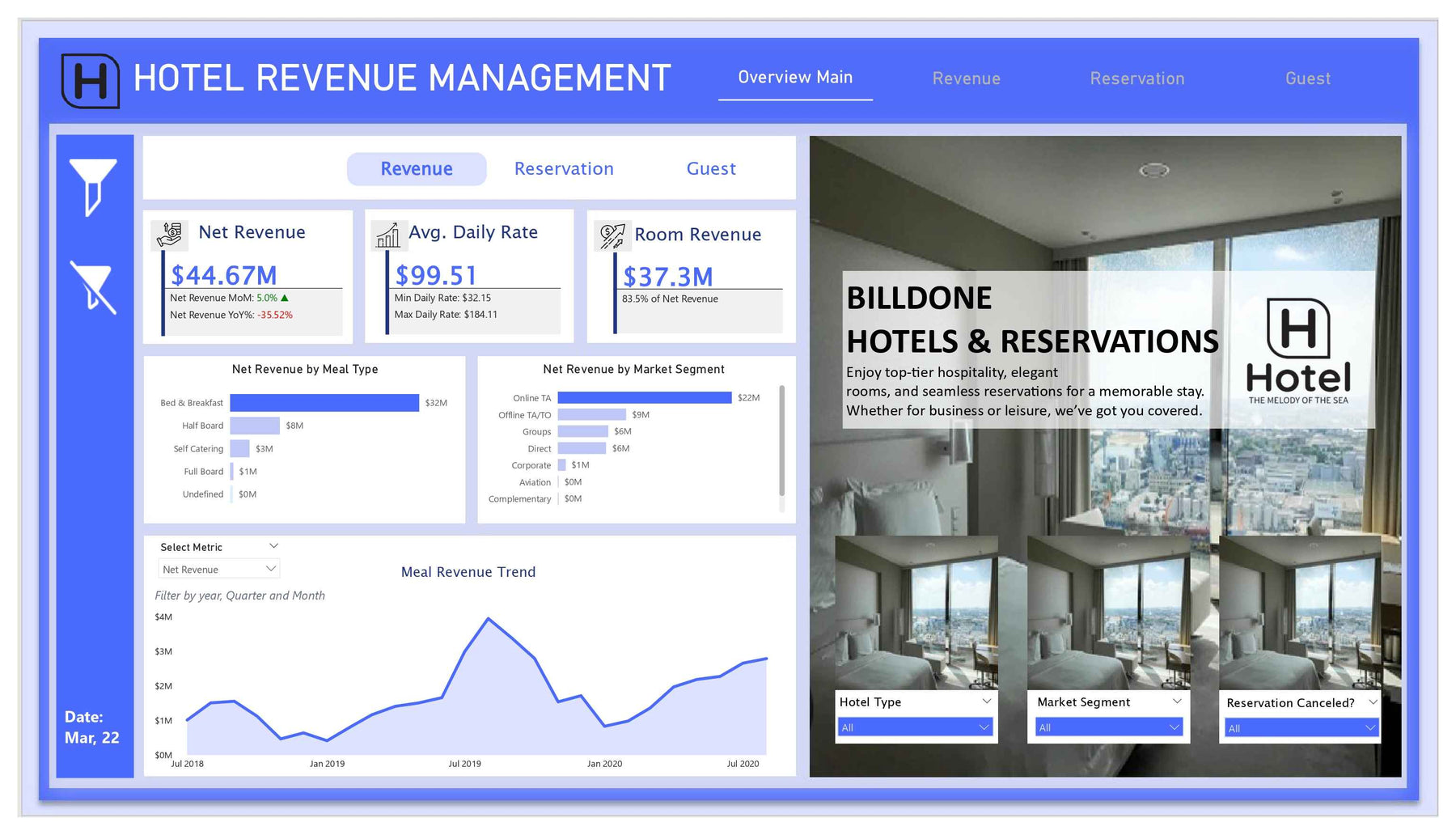
The technology powering the modern hospitality industry relies heavily on AI-driven Revenue Management Systems (RMS). These systems analyze billions of data points—including local events, flight arrival patterns, and even weather forecasts—to set the optimal price for every room type. For the corporate buyer, this means that the “standard” rate is a moving target. To counter this complexity, businesses are increasingly adopting “Re-shopping” tools. These autonomous software agents monitor a booking after it has been made; if the rate for that specific room drops before the check-in date, the technology automatically cancels and re-books the stay at the lower price.
Furthermore, the integration of Global Distribution Systems (GDS) with corporate booking tools ensures that “Rate Parity” is maintained. This technology prevents “leakage,” where employees find cheaper rates on consumer websites than those offered through the company’s official channels. By utilizing an integrated technological stack, companies can enforce “Last Room Availability” (LRA) clauses. This ensures that a traveler can book their negotiated rate even if only one room remains in the hotel’s inventory, providing a critical safety net for last-minute business trips in high-demand cities.
Strategic Benefits of Negotiated Corporate Rates
The primary benefit of securing dedicated business hotel rates lies in the “Total Cost of Stay” optimization. While a public rate might appear lower at first glance, business rates typically bundle essential services that would otherwise be expensive add-ons. These often include complimentary breakfast, premium Wi-Fi, fitness center access, and, most importantly, late check-out privileges. For a consultant or executive working on a tight schedule, these amenities are not luxuries—they are productivity tools that ensure the trip achieves its commercial objectives.
Moreover, business rates offer unparalleled flexibility. In the corporate world, meetings move, deals are delayed, and itineraries shift at a moment’s notice. While consumer “deals” are often non-refundable, professional business rates are designed with “Business Flex” in mind. The ability to cancel or modify a reservation up to 4:00 PM on the day of arrival without penalty is a massive financial advantage. This flexibility prevents the accumulation of “sunk costs” that can otherwise erode a company’s travel budget during a volatile fiscal quarter.
Real-World Examples of Rate-Optimization Solutions
To understand how these concepts manifest in the real world, we can examine several leading products and use cases that define the 2026 corporate lodging market.
1. TripActions (Navan) Liquid Expense Integration

Navan (formerly TripActions) has revolutionized the way companies view business hotel rates by merging the booking process with physical and virtual payment cards. This integration solves the problem of “invisible spend.” When an employee books a hotel rate, the system automatically checks it against the company’s travel policy. If the rate is within the “fair market” range for that city on that specific date, the booking is instantly approved and a virtual card is generated.
The relevance here is the “Real-Time Benchmarking” technology. Navan’s platform compares the rate an employee is seeing with what other companies are paying in the same area. This prevents the company from overpaying during periods of artificial price inflation. By capturing every transaction on a unified platform, the business gains the leverage needed to negotiate much deeper discounts with hotel chains during the next annual RFP (Request for Proposal) cycle.
2. HRS (Hotel Reservation Service) Intelligent Sourcing

HRS is a specialized platform that focuses on the sourcing and negotiation of business hotel rates for large-scale enterprises. It solves the “Negotiation Fatigue” problem by using an automated platform to send out thousands of rate requests simultaneously. The software doesn’t just look at the nightly price; it uses a proprietary “Value Index” to weigh the cost against the quality of the hotel, its proximity to the company’s offices, and its safety certifications.
For a multinational corporation, the relevance of HRS is its ability to manage “Multi-Currency” rate agreements. It ensures that the negotiated rate is consistent across different regions while accounting for local taxes and VAT reclamation opportunities. This level of technical oversight ensures that the global travel policy is not just a document, but a living, automated system that protects the company’s bottom line in every country it operates.
3. CWT (Carlson Wagonlit Travel) RoomIt

RoomIt is the dedicated lodging division of CWT, designed specifically to capture and optimize business hotel rates. Its standout feature is its “Proprietary Rate Content.” Because CWT manages travel for a significant portion of the Fortune 500, they have access to “Pre-Negotiated” rates that smaller companies could never achieve on their own. This allows a medium-sized business to “piggyback” on the volume of a global giant.
The technology used here is a sophisticated “Rate Audit” engine. Even after a contract is signed, the software continuously audits the hotel’s public rates. If the hotel begins offering a lower price to the general public than the negotiated corporate rate, the system triggers an automatic “Parity Claim.” This ensures that the corporation is always receiving the best possible price, maintaining the integrity of the long-term partnership between the hotel and the business.
4. Direct Corporate Portals: Marriott Bonvoy for Business
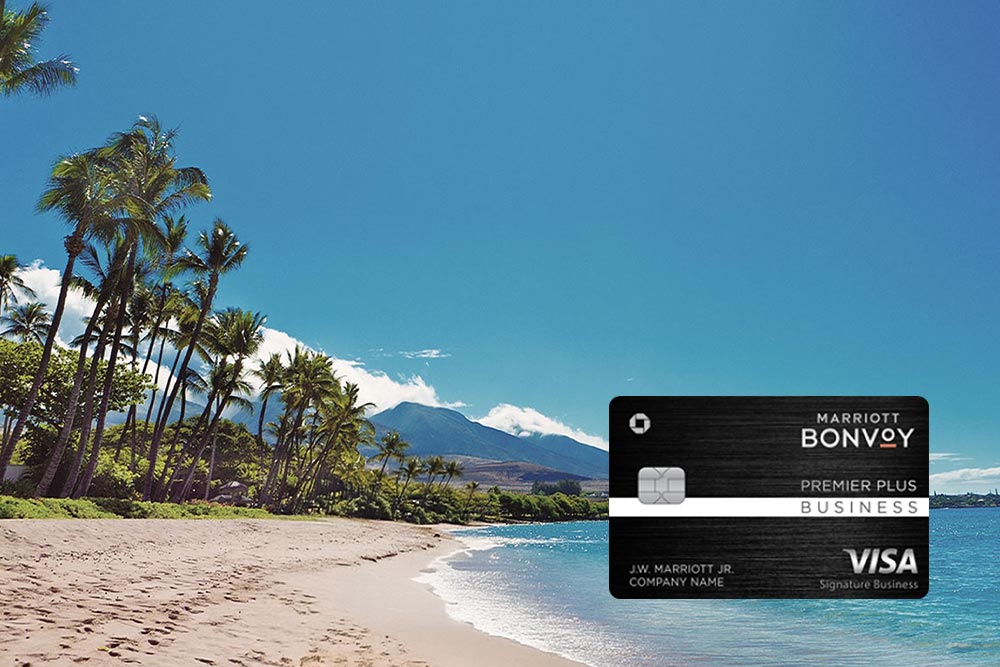
Large hotel chains like Marriott have built their own internal technologies to facilitate business hotel rates. These portals allow small to mid-sized businesses (SMEs) to access tiered discounts based on their annual “Room Night” commitment. The relevance of this direct-to-supplier model is the “Loyalty-Rate Synergy.” It allows the company to save money while simultaneously providing the traveler with loyalty points that enhance their personal travel experience.
This solution solves the problem of “Traveler Compliance.” If an employee knows they will get elite status benefits and a comfortable stay at a “Preferred” hotel, they are much less likely to book a random property on a consumer site. By aligning the incentives of the company (lower rates) and the traveler (points and perks), Marriott’s business technology creates a high-adoption travel program that is easy to manage and highly cost-effective.
5. TravelPerk FlexiPerk

TravelPerk’s FlexiPerk represents a technological solution to the “Inflexibility Penalty.” Many of the best business hotel rates are slightly higher because of their cancellation policies. FlexiPerk flips this model by allowing companies to book any rate—even non-refundable ones—and making them “cancellable” for a small flat fee. The platform’s backend handles the financial risk and the cancellation logistics.
The relevance for modern business is “Agility in Volatile Markets.” This technology allows a company to lock in a low rate weeks in advance without the fear of losing money if the business trip is postponed. It provides the “peace of mind” of a flexible rate at the price point of a restricted one, which is a powerful tool for startups and high-growth companies that operate in fast-changing industries.
Detailed Use Case: Solving the “Peak Demand” Crisis
One of the most common problems in business travel is the “Event-Driven Price Spike.” When a major convention or industry event comes to a city, hotel rates can triple overnight. A company without a managed rate strategy will find its budget decimated during these periods. A centralized business rate solution solves this through “Cap Pricing” agreements. By negotiating a maximum ceiling rate for a specific city, a company ensures that their employees can still travel during these peak periods without exceeding the budget.
Furthermore, this solution addresses the “Duty of Care” requirement. When rates are managed through a professional platform, the company knows exactly where every employee is staying. In the event of a local emergency or natural disaster, the “Rate Dashboard” doubles as a “Safety Tracker.” The ability to locate and contact employees instantly is a legal requirement in many jurisdictions, and it is a benefit that is impossible to achieve if employees are booking various rates across disparate consumer websites.
Why Organizations Need Modern Rate Strategies
In 2026, the complexity of the global economy means that business travel is both more necessary and more expensive than ever before. Organizations need these strategies because they provide the “Data Transparency” required for modern auditing. Every dollar saved on a hotel rate is a dollar that can be reinvested into product development or market expansion. By treating hotel rates as a strategic asset rather than a utility expense, companies can significantly improve their operational margins.
Additionally, these strategies address the “Modern Traveler Expectation.” The workforce of 2026 expects a seamless, digital, and high-quality travel experience. By providing access to curated business rates at high-quality hotels, a company demonstrates that it values its employees’ time and comfort. This leads to higher employee retention and a more motivated workforce, proving that the value of a good business hotel rate extends far beyond the numbers on an invoice.
Frequently Asked Questions
What is the difference between a “Standard” rate and a “Business” rate?
A standard rate is typically what is available to the general public on a hotel’s website or an OTA. It is often either non-refundable or has a 24-48 hour cancellation window. A business rate is a negotiated price that usually includes “Value-Adds” like breakfast and Wi-Fi, and offers much higher flexibility, such as same-day cancellation.
Can a small business get a corporate hotel rate?
Yes. While individual negotiations with major chains were once reserved for the Fortune 500, modern platforms like TravelPerk and Marriott for Business allow small and medium-sized enterprises (SMEs) to access “Pre-Negotiated” rates by pooling their volume with other small companies. This democratizes the savings once reserved for giant corporations.
How often should a company renegotiate its business hotel rates?
In the current dynamic market, the traditional “Annual RFP” is becoming less effective. Most experts recommend a “Continuous Sourcing” model where rates are reviewed quarterly. This allows the company to adjust to market changes and ensures that their “Dynamic Discount” percentage remains competitive relative to the Best Available Rate.