Strategic Optimization of Corporate Hotel Deals for Modern Enterprise Growth
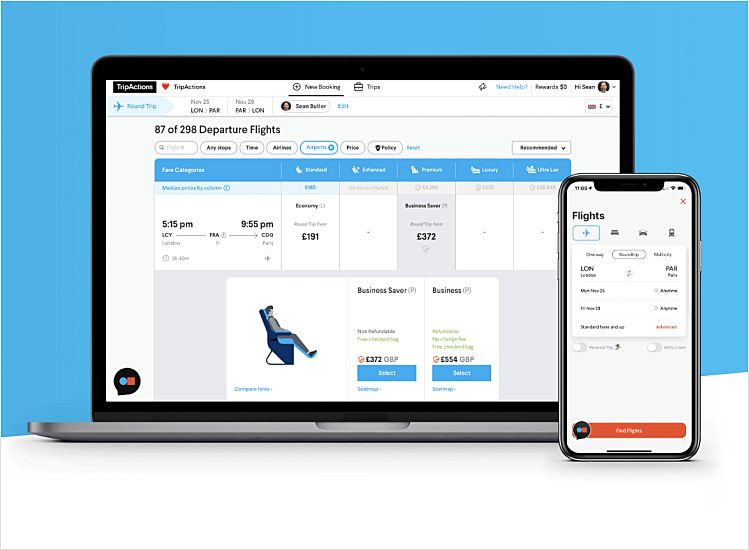
In the fast-paced world of international commerce, the management of travel expenses has shifted from a secondary administrative task to a core strategic priority. At the heart of this shift lies the concept of corporate hotel deals—pre-negotiated agreements between businesses and hospitality providers that offer preferential pricing and enhanced amenities. Unlike standard retail bookings, these deals are designed to accommodate the unique needs of the professional traveler, providing a foundation for fiscal predictability and operational efficiency. In 2026, a “deal” is no longer just about the lowest nightly rate; it is about the “total cost of stay,” which encompasses flexibility, location, and the digital infrastructure required for remote productivity.
Securing high-quality corporate lodging agreements requires an understanding of volume-based leverage and market intelligence. Organizations that successfully navigate this space do so by centralizing their booking data, allowing them to demonstrate their value to hotel partners. This data-driven approach allows for the transition from “static” rates, which remain fixed throughout the year, to “dynamic” discounts that offer a consistent percentage off the best available rate. This ensures that the corporation remains competitive regardless of seasonal fluctuations or sudden surges in local market demand.
The Technological Infrastructure of Corporate Rate Sourcing
The technology currently defining the landscape of corporate hotel deals is centered on AI-powered sourcing and automated RFP (Request for Proposal) processes. Historically, negotiating a corporate rate was a grueling manual process involving months of spreadsheets and back-and-forth communication. Today, modern Travel Management Companies (TMCs) utilize “Smart Sourcing” engines that automatically identify where a company is spending the most on lodging and instantly invite relevant hotels to bid for their business. These systems analyze historical occupancy, seasonal trends, and local event calendars to ensure that the proposed deals are mathematically sound for both the hotel and the business.
Furthermore, the integration of “Rate Auditing” software has transformed how deals are maintained after the contract is signed. These autonomous agents monitor the market 24/7; if a hotel offers a public rate that is lower than the company’s negotiated “deal,” or if prices drop after a booking is made, the technology automatically re-shops the reservation. This ensures that the organization always benefits from the best possible price without requiring manual oversight. By utilizing these high-tech tools, finance departments can eliminate “rate leakage” and ensure that their pre-negotiated savings are actually realized at the point of sale.
Enhancing Traveler Well-being and Productivity Through Strategic Amenities
A significant benefit of modern corporate hotel deals is the inclusion of “soft” amenities that are often stripped out of budget retail listings. For the modern road warrior, a deal that includes early check-in, late check-out, and high-speed secure Wi-Fi is far more valuable than a slightly lower room rate. These features are designed to mitigate the physical and mental toll of frequent travel. By negotiating these perks into a standard corporate agreement, businesses ensure their employees can maintain a high level of performance, regardless of time zone changes or demanding meeting schedules.
Moreover, these deals frequently prioritize properties that provide dedicated co-working spaces or business lounges. As the “work from anywhere” culture becomes permanent in 2026, the hotel room has evolved into a temporary office. Corporate deals that focus on properties with ergonomic workspaces and reliable digital infrastructure help solve the problem of “productivity dip” during travel. This alignment between the procurement department’s cost goals and the traveler’s functional needs is what defines a high-quality corporate lodging strategy in the contemporary era.
Real-World Examples of Corporate Travel Management Excellence
The following examples highlight how industry leaders provide the technology and services necessary to facilitate and manage world-class corporate hotel deals.
1. Navan (Formerly TripActions) Integrated Marketplace
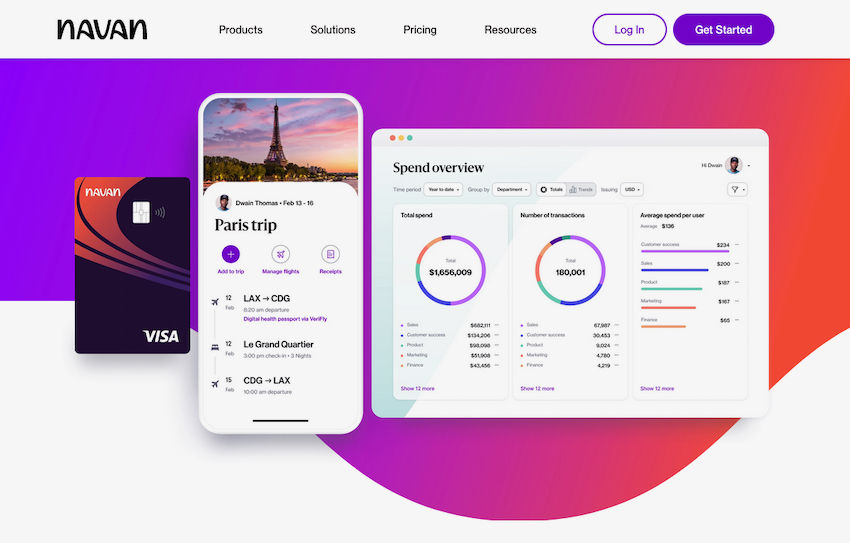
Navan has redefined the corporate booking experience by merging travel and expense into a single, AI-driven platform. Its relevance to corporate hotel deals lies in its ability to provide “Personalized Sourcing.” The platform analyzes a traveler’s past preferences and the company’s policy to suggest the best-value deals at the top of the search results. This ensures high “adoption rates,” meaning employees actually use the tool rather than booking elsewhere, which is critical for maintaining the company’s leverage with hotel partners.
The platform’s relevance is further enhanced by its “Virtual Card” technology. When an employee books a corporate deal, a unique digital payment method is generated. This eliminates the need for employees to pay out of pocket and simplifies the “reconciliation” process for the finance team. By capturing 100% of travel spend, Navan provides the granular data transparency that businesses need to negotiate even deeper discounts during their next annual review.
2. CWT (Carlson Wagonlit Travel) RoomIt

RoomIt is the specialized lodging division of CWT, specifically designed to curate exclusive corporate hotel deals for its clients. Its relevance is found in its massive “Collective Volume.” Because CWT manages travel for a significant portion of the global workforce, they have access to “Pre-Negotiated” rates that individual companies—especially small and mid-sized enterprises—could never secure on their own. This allows a growing business to enjoy the “Elite” pricing usually reserved for the world’s largest corporations.
The technology behind RoomIt includes a “Loyalty Integration” engine. This ensures that while the company saves money on the corporate rate, the individual traveler still receives their personal loyalty points and status benefits. This solves the age-old conflict between company savings and employee rewards, making it much easier for organizations to implement a strict travel policy without facing pushback from their most frequent travelers.
3. HRS (Hotel Reservation Service) Green Stay Initiative
As corporate social responsibility (CSR) becomes a legal requirement for many firms in 2026, HRS has lead the way by integrating sustainability into the core of corporate hotel deals. Their “Green Stay” technology provides a standardized metric to compare the environmental impact of different hotels. This allows businesses to negotiate deals with properties that not only offer the best price but also align with the company’s environmental goals.
The relevance of HRS lies in its “Total Sourcing” approach. It manages everything from the initial hotel search to the final payment and VAT reclamation. For companies operating in Europe or other highly regulated markets, the ability of HRS to automate the “tax-compliant” invoicing process is a massive administrative benefit. It transforms the “deal” from a simple discount into a comprehensive financial and environmental management solution.
4. Egencia (by American Express GBT)

Egencia, now part of the American Express GBT family, is renowned for its “consumer-grade” user interface that hides a powerful corporate engine. Its relevance to the keyword is its “Smart Mix” AI, which learns from the behavior of millions of travelers to present the most relevant deals. This technology solves the “Decision Fatigue” problem, where travelers spend hours looking for the right hotel. By presenting the best corporate deals first, Egencia reduces the booking time from twenty minutes to under four.
The platform is particularly relevant for its “Reporting Suite.” Travel managers can access real-time dashboards that show exactly how much they have saved through their corporate deals compared to the average market price. This “Savings Transparency” allows managers to prove the ROI of their travel program to executive leadership, ensuring continued investment in high-quality travel management resources.
5. Marriott Bonvoy for Business
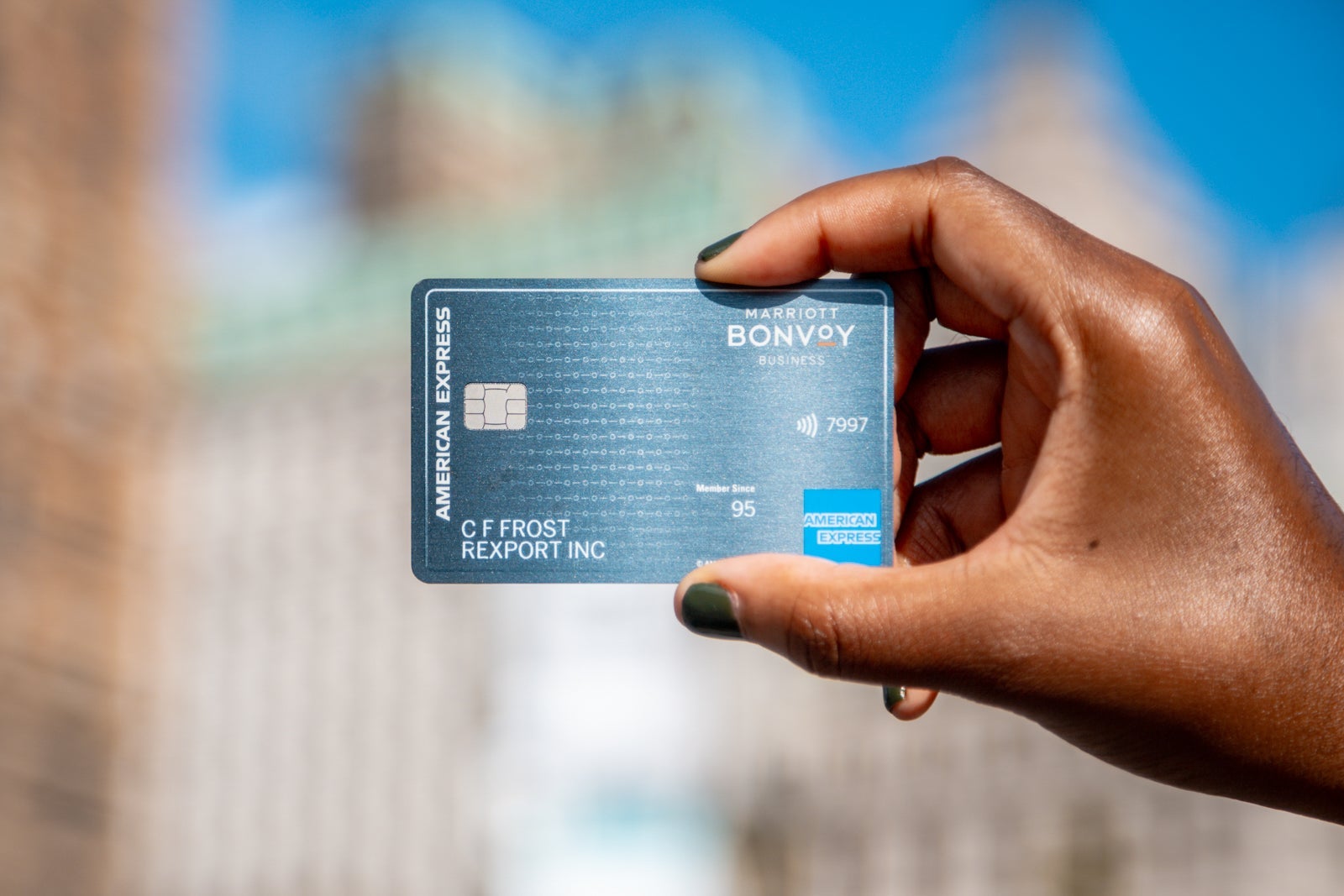
Marriott has created a direct-to-business solution that is highly relevant for smaller organizations that may not use a traditional TMC. Their “Bonvoy for Business” portal provides an easy way for companies to access discounted corporate rates across their 30+ brands. This example is relevant because it demonstrates the “Supplier-Direct” deal model, where the relationship is managed directly through the hotel chain’s own technology.
This solution solves the problem of “Access” for small firms. It provides a “Simplified RFP” where a company can get a corporate discount simply by providing their business credentials. It also includes “Company-Level Rewards,” where the business itself earns points for every night stayed by its employees, which can later be used for corporate retreats or client entertainment, adding another layer of value to the initial hotel deal.
Solving Complex Business Problems Through Managed Lodging
One of the most critical problems solved by modern corporate hotel deals is “The Compliance Gap.” When employees book hotels independently, they often choose properties that are outside of the company’s safety standards or budget. Professional deals, when integrated into a booking platform, act as a “Guardrail.” The system simply will not show or allow the booking of hotels that don’t meet the pre-set criteria, ensuring 100% policy adherence without the need for constant manual policing.
Another significant issue is “Duty of Care.” In an era of unpredictable global events, a company must know where its employees are at all times. Corporate hotel deals managed through a centralized system provide a “Live Heat Map” of employee locations. If an emergency occurs in a specific city, the travel manager can instantly identify which employees are staying in which hotels and initiate emergency protocols. This is a life-saving benefit that is completely absent when employees book “deals” on fragmented consumer websites.
Strategic Advantages and Practical Utility in 2026
The utility of a well-structured corporate hotel deal extends far beyond the financial ledger. Organizations need these strategies because they provide “Budget Predictability.” In a market characterized by high inflation and fluctuating demand, having a pre-negotiated rate (or a fixed discount percentage) allows the finance department to forecast travel costs with a high degree of accuracy. This prevents “Budget Shock” at the end of a busy quarter and allows for more aggressive investment in other areas of the business.
Furthermore, these deals address the “Modern Talent Retention” challenge. High-performing employees in 2026 expect their companies to provide a seamless and respectful travel experience. A company that provides access to “Elite” hotel deals demonstrates that it values its employees’ comfort and time. This “Experience Value” is a powerful tool for attracting and retaining top talent who are often required to be on the road to drive company growth.
Frequently Asked Questions
What is the difference between a negotiated rate and a dynamic rate?
A negotiated (or static) rate is a fixed price agreed upon for the entire year, regardless of the hotel’s public price. A dynamic rate is a fixed percentage discount off the “Best Available Rate” (BAR) at the time of booking. Dynamic rates are becoming more popular in 2026 because they ensure the company always gets a better deal than the public, even when market prices are low.
How many room nights does a company need to qualify for a corporate deal?
While large chains previously required 50-100 nights per year at a specific property, modern “Aggregator” platforms (like CWT or TravelPerk) allow companies with even very low volume to access “Pre-Negotiated” rates. By pooling the volume of thousands of small companies, these platforms democratize access to elite corporate deals for businesses of all sizes.
Are corporate hotel deals available for small businesses?
Yes. Through programs like Marriott Bonvoy for Business or by using modern SaaS travel platforms, small businesses can access corporate pricing without needing a dedicated travel manager. These platforms have eliminated the “Barrier to Entry” for professional travel management, allowing even five-person startups to save like a Fortune 500 company.