The Future of Eco-Conscious Travel: 2026 Guide to Sustainable Hotels
The Future of Eco-Conscious Travel: A Deep Dive into Sustainable Hotels and Green Hospitality Innovations
The global hospitality landscape is undergoing a monumental shift as we move deeper into 2026. Travelers are no longer satisfied with simple “reuse your towel” placards; they are demanding radical transparency and tangible environmental action. Sustainable hotels have evolved from a niche luxury segment into a standardized expectation for the modern explorer. This transformation is driven by a combination of advanced technology, regenerative design principles, and a collective realization that the future of tourism depends entirely on the health of our planet’s ecosystems.
In this comprehensive guide, we explore the intricate layers of what makes a hotel truly sustainable today. From carbon-positive architecture to AI-driven resource management, the industry is proving that high-end comfort and environmental stewardship can coexist seamlessly. By understanding these developments, guests can make more informed choices that align with their personal values, while operators can find the blueprint for long-term resilience in an increasingly eco-conscious market.
The Core Pillars of Modern Sustainable Hospitality

Sustainable hospitality in 2026 is built upon the concept of “Net Positive” impact. This means hotels are no longer aiming to just reduce their harm; they are striving to actively improve the environment and communities where they operate. The first major pillar is carbon neutrality and beyond. Leading properties are utilizing renewable energy sources such as geothermal, wind, and advanced solar glass to generate more power than they consume. This surplus energy is often fed back into local grids, supporting the surrounding community and reducing the overall carbon footprint of the destination.
The second pillar focuses on the circular economy and zero-waste operations. Modern sustainable hotels have largely eliminated single-use plastics, replacing them with closed-loop systems for everything from guestroom amenities to kitchen supplies. Waste is treated as a resource, with on-site composting systems turning food scraps into nutrient-rich soil for hotel gardens, and greywater filtration systems repurposing sink and shower water for landscape irrigation. These practices ensure that the “take-make-dispose” model is replaced with a regenerative cycle that minimizes environmental strain.
Advanced Technology Driving Green Efficiency
The integration of smart technology is perhaps the most significant catalyst for sustainability in the current hotel era. IoT (Internet of Things) sensors and AI-driven platforms allow for a level of precision in resource management that was previously impossible. Smart energy management systems now use real-time occupancy data to adjust lighting, heating, and cooling. When a guest leaves their room, the system automatically enters an energy-saving mode, reducing HVAC consumption by as much as 30% without ever compromising the guest’s comfort upon their return.
Furthermore, digital twin technology is being used by hotel operators to simulate and optimize building performance. By creating a virtual replica of the physical structure, engineers can identify inefficiencies in insulation or water distribution before they become costly problems. This predictive maintenance not only saves money but also prevents the unnecessary waste of water and energy. In the kitchen, AI-powered scales and cameras track food waste patterns, providing chefs with data-driven insights to optimize portion sizes and procurement, significantly lowering the carbon footprint of the hotel’s food and beverage operations.
Practical Benefits of Implementing Sustainable Practices
For hotel operators, the transition to sustainability offers profound financial and operational advantages. The most immediate benefit is a significant reduction in utility costs. By investing in energy-efficient lighting, low-flow water fixtures, and renewable energy, properties can slash their monthly expenses by 20% to 50%. While the initial capital expenditure for these technologies can be higher, the return on investment is often realized within a few years, leading to a much healthier bottom line in the long term.
Beyond the balance sheet, sustainability is a powerful tool for brand differentiation and guest loyalty. In 2026, a majority of travelers prioritize “green” certifications when booking their stays. A hotel that can prove its commitment through transparent reporting—such as the Corporate Sustainability Reporting Directive (CSRD) standards—gains a competitive edge that justifies premium pricing. Furthermore, sustainable practices often lead to higher employee satisfaction. Staff members are increasingly seeking employers who value environmental ethics, leading to lower turnover rates and a more motivated, purpose-driven workforce.
Real-World Case Studies of Leading Sustainable Hotels
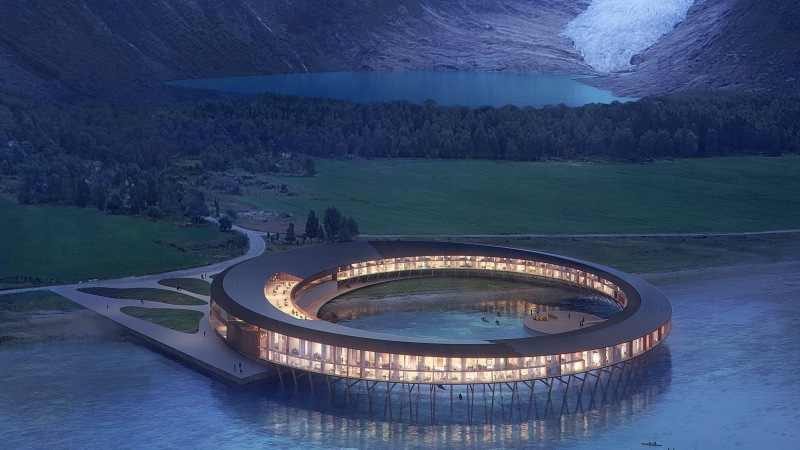
The Svart hotel in Norway stands as a pinnacle of “Powerhouse” architecture and the world’s first energy-positive hotel. Located at the foot of the Svartisen glacier, this circular building is engineered to consume 85% less energy than a conventional hotel. Its unique design maximizes solar gain throughout the seasons, using the low Arctic sun to power its entire operation and even its shuttle boats. The relevance of Svart lies in its proof-of-concept for extreme-environment sustainability, showing that even in the most sensitive and cold climates, luxury can be achieved with a positive energy footprint.

Gandum Village in Portugal represents the gold standard for regenerative hospitality and a circular local economy. The property is constructed using “taipa” (rammed earth), a traditional carbon-sequestering material that replaces high-emission cement. Beyond its physical structure, Gandum functions as a hub for the local community, sourcing 100% of its food and labor from the immediate region. Its relevance to the keyword is its focus on “Social Sustainability”—proving that a hotel can be a catalyst for regional economic and biological restoration rather than just a place to sleep.

Capella Kyoto in Japan demonstrates how cultural preservation and environmental sustainability are inextricably linked. The hotel was constructed using materials salvaged from the renovation of a historic local theater, reducing the need for new raw materials and preserving the “embodied energy” of the site. By integrating traditional machiya architecture with modern smart-room controls, the hotel offers a lesson in “Heritage Sustainability.” Its relevance lies in showing that modern green technology can be hidden behind artisanal, traditional aesthetics, satisfying the luxury guest’s desire for authenticity and eco-responsibility.
Detailed Use Cases: Solving Modern Travel Problems
Sustainable hotels solve the growing problem of “Traveler’s Guilt,” a phenomenon where conscious consumers feel conflicted about the carbon footprint of their vacations. By choosing a property with verified net-zero operations, guests can enjoy their travels knowing that their presence is not contributing to the degradation of the destination. This is particularly useful in “fragile” tourism spots like small islands or high-altitude mountain resorts, where the local infrastructure is often overwhelmed by standard hotel waste and energy demands.
Additionally, sustainable hotels address the issue of resource scarcity in developing regions. In areas where water or electricity may be unreliable for local residents, a self-sustaining hotel that produces its own power and recycles its own water prevents the “tourism drain” on local utilities. This creates a more harmonious relationship between the hotel and the local community, ensuring that tourism remains a welcomed and beneficial industry rather than a parasitic one. In real-life situations, this means fewer local protests against tourism and a more welcoming, authentic experience for the traveler.
Comprehensive Summary of Advantages
The advantages of sustainable hotels extend far beyond the environment, touching on health, economy, and experience. For the guest, “green” rooms often provide better air quality due to the use of non-toxic, low-VOC materials and advanced ventilation systems. This results in better sleep and a more restorative stay. In the dining room, the focus on farm-to-table and organic produce means fresher, more nutritious meals that support local farmers and reduce the carbon emissions associated with long-distance food transport.
From a global perspective, the widespread adoption of sustainable hotel standards is a critical component of meeting international climate goals. As the hospitality sector accounts for roughly 1% of global carbon emissions, the shift toward net-positive buildings is a significant lever for change. The industry’s move toward transparency and standardized reporting in 2026 ensures that “greenwashing” is becoming a thing of the past, allowing the truly innovative leaders in the space to thrive while pushing the entire sector toward a more resilient and ethical future.
Frequently Asked Questions
What is the difference between an eco-friendly hotel and a sustainable hotel? While the terms are often used interchangeably, “eco-friendly” usually refers to specific practices that reduce environmental harm, such as eliminating plastic straws. “Sustainable” is a broader, more holistic term that encompasses environmental, social, and economic impacts. A sustainable hotel looks at its entire lifecycle, from the ethics of its supply chain and fair wages for staff to its long-term carbon footprint and its role in the local community.
How can I verify if a hotel is actually sustainable and not just greenwashing? In 2026, the best way to verify sustainability is to look for reputable third-party certifications and transparent reporting data. Look for labels like Green Globe, LEED (Leadership in Energy and Environmental Design), or EarthCheck. Furthermore, many regions now require hotels to provide a “Sustainability Fact Sheet” or a CSRD report on their website, which outlines their specific energy usage, water consumption, and waste diversion rates.
Do sustainable hotels cost more to stay in than regular hotels? Not necessarily. While some high-end “eco-luxe” resorts may have higher price points due to their exclusive locations and amenities, many mid-range sustainable hotels are priced competitively with traditional properties. In fact, because sustainable hotels have lower operational costs for energy and water, they are often able to offer better value or invest those savings into higher-quality guest experiences, such as organic breakfasts or premium wellness facilities.