Maximizing Operational Efficiency with a Travelodge Corporate Account

In the fast-evolving landscape of 2026, business travel remains a cornerstone of corporate growth, yet the pressure to optimize costs has never been higher. A Travelodge corporate account, known formally as Travelodge Business, is a specialized B2B solution designed to bridge the gap between budget-conscious procurement and the functional needs of travelers on the road. By centralizing lodging management into a single digital ecosystem, companies can shift away from fragmented booking methods that often lead to “hidden” administrative costs and lack of visibility into total travel spend.
The core intent of this corporate solution is to provide a “frictionless” experience for both the travel administrator and the end-user. Whether a company is an SME managing a handful of regional trips or a large-scale enterprise with a nationwide workforce, the account provides a standardized framework for booking across over 600 hotels. This centralization is more than just a convenience; it is a strategic tool that allows businesses to treat lodging as a managed asset rather than an unpredictable expense, ensuring that every stay aligns with the company’s broader fiscal objectives and duty of care responsibilities.
Leveraging Technology for Streamlined Travel Administration
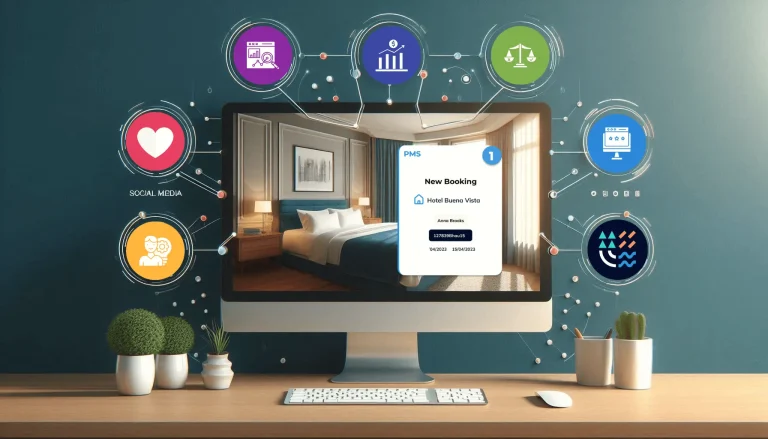
The technology powering a Travelodge corporate account is built on a “self-service” architecture that empowers organizations to manage their travel in real-time. One of the most significant technological advantages is the integrated business dashboard, which acts as a centralized command center. From this portal, travel managers can add multiple “Bookers” and “Guests,” each with specific permission levels. This allows for a decentralized booking process where employees can secure their own rooms, while the administrator retains overarching control through real-time spend tracking and policy enforcement.
Furthermore, the platform utilizes automated invoicing technology that simplifies the traditionally laborious task of expense reconciliation. Instead of employees having to collect physical paper receipts and manually file expense reports, the corporate account generates consolidated, downloadable VAT-compliant invoices. This digital flow of information reduces the workload for finance departments and ensures that VAT reclamation—a significant source of potential savings—is accurate and efficient. The technology ensures that every booking is captured in a structured data format, providing the transparency needed for high-level budget reporting and future travel forecasting.
Financial Advantages and Strategic Cash Flow Management
From a financial perspective, the most immediate benefit of a corporate account is the guaranteed 5% discount on all flexible rate bookings. In a market where prices fluctuate based on demand, having a baseline discount provides a predictable “saving floor” for the organization. More importantly, these flexible rates allow for cancellations or amendments up until midday on the arrival date, providing the essential agility required in a business environment where meeting schedules can change at the eleventh hour.
Beyond the discount, the “Traveler Business Pay” optional payment solution offers a powerful tool for cash flow management. This technology provides businesses with up to six weeks of interest-free credit, effectively acting as a short-term financing bridge for travel expenses. By using a dedicated business account card or account number, employees no longer need to pay out-of-pocket on arrival, which removes a significant psychological and financial burden from the traveler. This “pre-paid” model ensures that the room, Wi-Fi, and even food and drink in the Bar Café are handled through the corporate account, leading to a much cleaner and more professional guest experience.
Real-World Use Cases for Professional Travel Management
To illustrate the practical utility of a Travelodge corporate account, we can examine how different industries and organizational structures utilize the platform to solve specific logistical challenges.
1. High-Volume Field Sales Teams
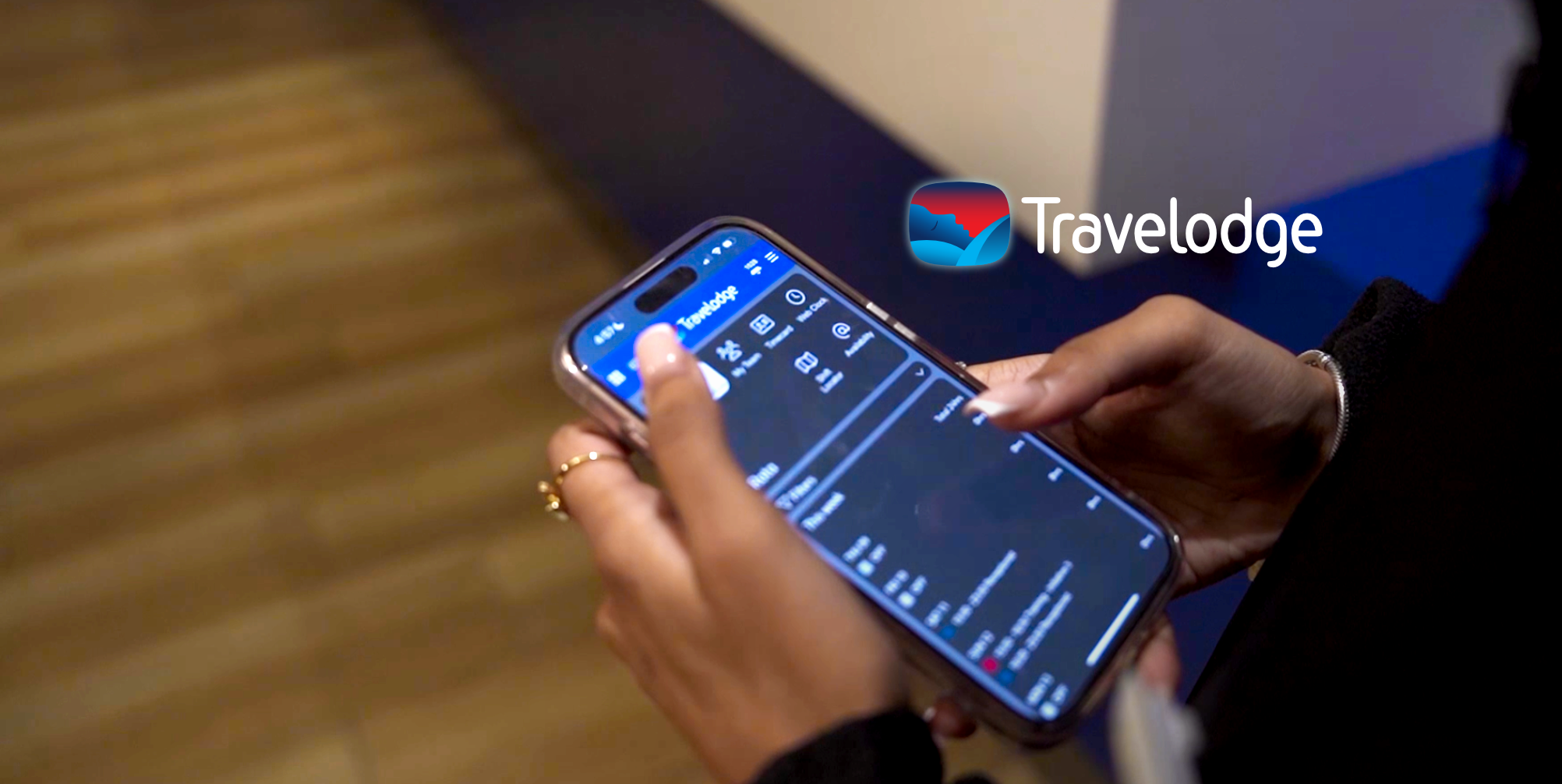
For companies with large teams of field sales representatives, the primary challenge is “Booking Consistency” and “Spend Leakage.” Without a corporate account, representatives often book various hotels at different price points, making it impossible to track the total cost of a sales campaign. By using the Travelodge Business portal, the head of sales can set up a list of “favourite” hotels near key client hubs.
The relevance here is the “Manage People” functionality. The administrator can save frequent stayer details, allowing sales reps to book their rooms in just two clicks. This saves hours of administrative time across a large team and ensures that all spend is funneled through the corporate account, where the 5% discount and interest-free credit are automatically applied.
2. Construction and Infrastructure Projects
Insert image of the product: A desktop dashboard showing a “Recurring Booking” setup for a construction crew staying for 12 weeks at a specific site.
Construction firms often need to house crews in specific locations for weeks or months at a time. The problem is the complexity of managing long-term, multi-room bookings while maintaining a budget. The Travelodge corporate account features a “Recurring Booking” tool specifically designed for this scenario. It allows the project manager to book a block of rooms for the duration of the project in one single session.
This use case highlights the “Finance Admin” role. The project manager can book the rooms, but the finance lead can access the account to monitor the credit limit and download consolidated invoices for the entire project. This prevents the project’s budget from being obscured by hundreds of individual receipts and ensures that the crew has a consistent “home base” near the job site.
3. SME National Expansion
When a small to medium-sized enterprise (SME) begins to expand nationally, its travel costs can spiral out of control if not managed properly. The Travelodge Business account acts as a “scale-up” tool for these companies. It solves the “Administrative Overhead” problem by providing a free-to-use platform that does the work of a dedicated travel agency.
The relevance for an SME is the “Dedicated Support Team.” As the company scales, it might encounter complex booking needs or require help with special requests. Having access to a UK-based business support team gives the SME the same level of service that was previously only available to much larger firms. This allows the business owners to focus on growth while the lodging logistics are handled by a professional framework.
4. Retail Store Refurbishment Crews
Retail companies often send specialized teams across the country to oversee store refurbishments. These teams often work overnight and need “Day-Use” or late check-out options, along with a quiet environment to sleep during the day. The corporate account allows managers to specifically book Travelodge SuperRooms®, which feature enhanced soundproofing, blackout curtains, and a more comfortable workspace.
The benefit here is “Traveler Well-being.” By using the corporate portal to select premium economy rooms for their lead technicians, the company ensures that its most critical staff are well-rested and productive. The account’s ability to pre-authorize food and beverage means the crew can grab a meal at the Bar Café before or after their shift without having to navigate the expense reimbursement process later.
5. Recruitment and Event Agencies
Agencies that frequently host events or bring in candidates for interviews face the logistical hurdle of booking rooms for “Non-Employees.” The Travelodge corporate account solves this through the “Guest” role. An administrator can book a room for a candidate or a speaker without them needing to be an authorized user of the account.
The relevance of this application is “Professional Brand Image.” The guest receives a professional confirmation email from the agency, and the room is already paid for via the corporate account. The guest arrives, checks in, and is not asked for a credit card for the room or Wi-Fi, creating a seamless and impressive experience that reflects positively on the agency’s professional standards.
Solving Critical Problems in Modern Business Travel
One of the most pervasive problems in corporate travel is “Administrative Friction.” When an employee has to spend an hour every week filing hotel receipts, and the finance department has to spend another hour verifying those receipts, the “hidden cost” of that stay increases significantly. A Travelodge corporate account solves this by automating the data flow. By consolidating all bookings into a single, searchable dashboard with downloadable VAT invoices, the “Cost-to-Manage” travel is reduced by up to 50%, allowing staff to focus on more value-add activities.
Another significant issue addressed is “Credit Card Fee Wastage.” Many public booking sites charge transaction or credit card fees that can add 2% to 3% to the total bill. Over a year, this can amount to thousands of pounds for a medium-sized company. The Travelodge Business solution eliminates all booking and credit card fees. Combined with the 5% discount, the “Net Savings” of using a corporate account compared to a personal account are substantial, making it a critical tool for any procurement department focused on bottom-line efficiency.
Practical Advantages of Managed Lodging Systems
The practical utility of a corporate account extends into “Budget Certainty and Control.” With a Travelodge Business Pay card, a company can set individual credit limits and control exactly what can be purchased (e.g., room only vs. room and food). This prevents “unauthorized upgrades” or excessive incidental spending. For the first time, a travel manager has an “On-Off” switch for employee spending, ensuring that the budget is respected at every stage of the trip.
Furthermore, the “Flexible Amendment Policy” provides a safety net that is essential for modern business. In an era of unpredictable transit and shifting client needs, a non-refundable booking is a financial risk. The corporate account’s focus on flexible rates ensures that if a meeting is cancelled at 10:00 AM, the hotel booking can be cancelled by 12:00 PM without any financial loss. This “Agility Value” is often overlooked but can save a company more money over a year than the base room discount itself, as it eliminates the “Sunk Cost” of unused hotel nights.
Frequently Asked Questions
Is there a minimum spend required to maintain a Travelodge corporate account? No, there is no minimum annual spend or number of room nights required to keep a Travelodge Business account active. The account is free to join and free to maintain, making it as accessible to sole traders and small startups as it is to multinational corporations. The 5% discount and administrative tools are available from the very first booking.
How does the “Business Pay” interest-free credit work? Travelodge Business Pay is an optional feature of the corporate account. Once a company is approved for credit, they are issued a virtual or physical account card. All bookings made through the portal are charged to this account. The company then receives a consolidated invoice and has up to six weeks to pay the balance, interest-free. This effectively improves the company’s working capital by delaying the actual cash outflow for travel expenses.
Can I manage multiple travelers in different cities from one account? Yes, the Travelodge Business dashboard is specifically designed for multi-user management. An administrator can book a room in Manchester for one employee and a room in London for another simultaneously. Each traveler receives their own confirmation, while the administrator can see both bookings on the live dashboard. This centralized view is essential for “Duty of Care,” allowing the company to know exactly where all its employees are staying at any given time.