Empowering Hoteliers: The Comprehensive Guide to trivago Business Studio and Metasearch Excellence
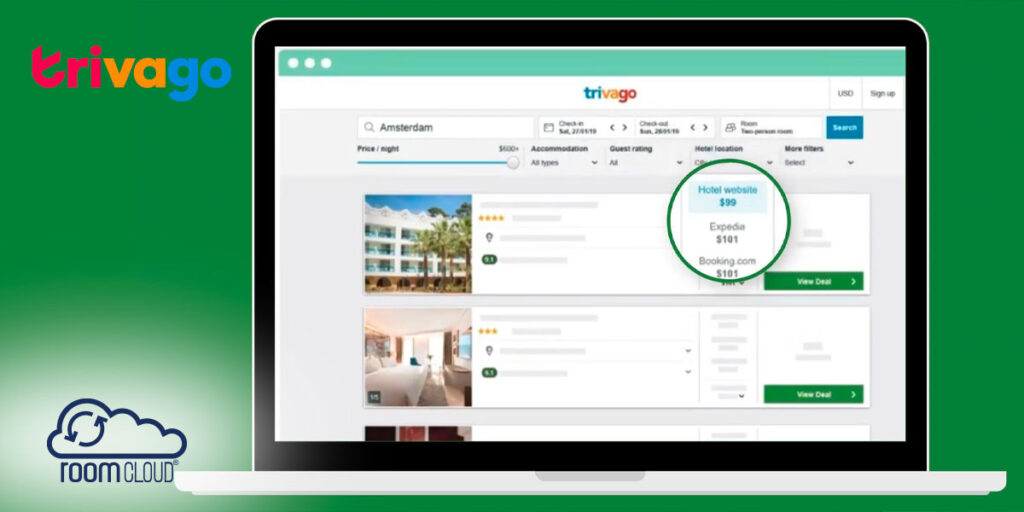
In the rapidly evolving landscape of 2026 hospitality, the competition for traveler attention has shifted from local directories to sophisticated global metasearch platforms. At the heart of this shift is “trivago for business,” officially known as trivago Business Studio. This platform serves as a mission control center for independent hoteliers and large-scale chains alike, providing the tools necessary to manage their online identity across 55 localized websites. As travelers become increasingly price-sensitive and tech-savvy, a hotel’s ability to present accurate, high-quality information alongside competitive rates is what separates a successful booking from a missed opportunity.
The core philosophy behind the business studio is to democratize metasearch marketing. Traditionally, only large Online Travel Agencies (OTAs) had the technical infrastructure to dominate comparison sites. Today, trivago provides a gateway for individual properties to reclaim their brand narrative. By claiming a property on the platform, hoteliers can ensure that their most enticing photos, updated amenities, and direct booking links are presented to millions of daily users. This is not merely a listing service; it is a strategic marketing ecosystem designed to reduce dependency on third-party commissions and foster direct guest relationships.
The Technological Advantage of Metasearch Integration
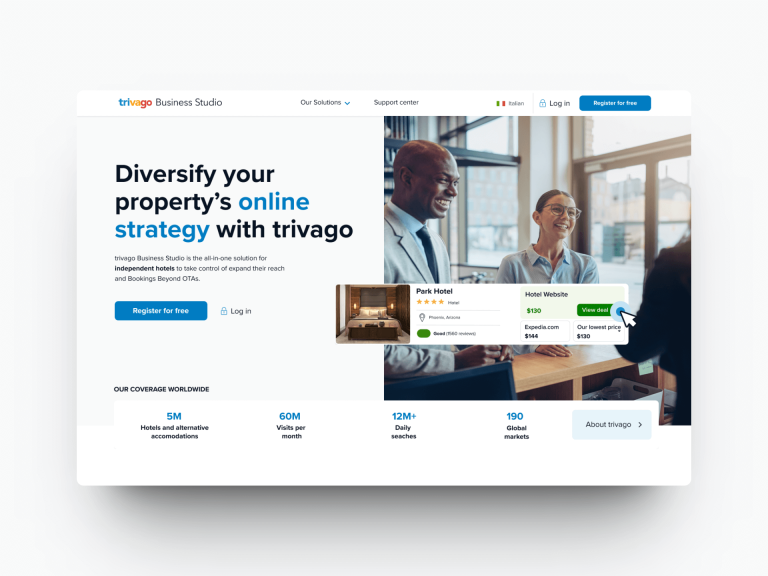
The technology powering the modern hospitality industry is no longer just about room keys and property management; it is about data synchronization and real-time bidding. One of the most significant technological components within the trivago suite is the “Rate Connect” app. This feature utilizes an Advanced Programming Interface (API) to link a hotel’s direct booking engine with the trivago search results page. This ensures that when a guest searches for a stay, they see the hotel’s own website price right next to major OTAs. By providing this direct path, the technology reduces “booking friction,” where a guest might otherwise get lost in the complex funnel of a third-party site.
Furthermore, the platform utilizes sophisticated machine learning algorithms to generate “Hotel Highlights.” These AI-driven snapshots aggregate data from thousands of guest reviews and property descriptions to provide travelers with an instant understanding of a hotel’s best features, such as “Excellent Rooftop Bar” or “Superb Proximity to Transit.” For the hotelier, this technology means that their property’s unique selling points are automatically translated and emphasized to the right audience, regardless of the language the traveler speaks. This level of automated marketing allows small teams to achieve a global impact that was previously impossible.
Enhancing Revenue Through Professional Insights
The transition from a free Business Studio account to the premium “Business Studio+” tier introduces a layer of market intelligence that transforms how hotels approach pricing. The “Rate Insights” tool allows hoteliers to monitor their competitors’ rates across multiple OTAs on a single interface. In a world where hotel prices can change multiple times a day based on local demand or events, having access to real-time competitive data is essential. This technology enables proactive revenue management, allowing a manager to adjust their strategy before they lose occupancy to a nearby rival.
Beyond pricing, the “Visitors’ Profile” technology provides deep-dive analytics into the demographic and behavioral trends of people searching for the property. Hoteliers can see the geographic origin of their visitors, the devices they are using, and the specific search filters they apply. This data is invaluable for tailoring marketing campaigns. For instance, if data shows a spike in searches from a specific country, the hotel can prioritize translating its content or creating targeted seasonal offers for that market. This data-driven approach ensures that marketing efforts are based on actual traveler intent rather than guesswork.
Real-World Applications of trivago Business Tools
To understand the practical impact of these solutions, it is helpful to look at how different types of properties utilize the technology to solve specific business challenges.
1. Independent Boutique Hotels: The Competitive Edge
Insert image of the product: A high-resolution photo of an independent boutique hotel listing on trivago, featuring the “Official Hotel Site” badge and a “Special Offer” tag.
Independent properties often struggle with the high commission rates charged by major OTAs, which can eat up to 25% of their revenue. By using Rate Connect, an independent hotel can place its direct rates in the “Top Position” on the search results page. This case is highly relevant because it demonstrates how a small property can bypass intermediaries. When a traveler sees that the direct price is equal to or lower than the OTA price, they are statistically more likely to click the “Hotel Site” link.
The benefit here is twofold: the hotel saves on commission fees, and they “own” the guest data from the start. Unlike OTA bookings, where guest emails are often masked, a direct booking through trivago’s API allows the hotel to engage with the guest immediately. They can send personalized welcome messages or offer room upgrades, building loyalty before the guest even checks in.
2. Urban Business Hotels: Dynamic Reputation Management

Urban business hotels rely heavily on their reputation to attract corporate travelers who have little time for research. The “Guest Rating App” within the Business Studio solves the problem of fragmented feedback. Instead of checking ten different websites for reviews, the hotel manager sees everything in one place. This allows for rapid response to both positive and negative feedback, which is a key factor in trivago’s ranking algorithm.
The relevance of this tool is its impact on the property’s “Quality Score.” trivago doesn’t just rank hotels by price; it ranks them by a combination of price, click-through rate, and guest satisfaction. By using the technology to actively manage their reputation, a business hotel can improve its organic visibility without increasing its advertising spend.
3. Seasonal Resorts: Targeting High-Intent Travelers

For seasonal resorts, the challenge is maintaining visibility during the booking “lead-up” months. By utilizing the “Promo Badge” feature, a resort can highlight special early-bird offers directly on their profile. This is particularly useful for reaching travelers who are in the “Discovery Phase” of their journey. The AI-powered “Hotel Highlights” mentioned earlier play a massive role here, as they can emphasize features like “Private Beach” or “Kids Club” to families searching months in advance.
This use case demonstrates the power of “Smart Metadata.” When the resort updates its profile to include seasonal activities, the metasearch engine ensures the property appears in filtered searches for those specific interests. This precision targeting ensures that the resort’s marketing budget is spent on users who are most likely to convert, rather than a broad, uninterested audience.
4. Large-Scale Chains: Multi-Property Synchronization
For large hotel chains, the problem is often one of consistency and scale. How does a corporate team ensure that 100 different properties have updated photos and accurate amenities? The Business Studio allows for “Technical Agency” connections where a central team or a third-party channel manager can sync data across the entire portfolio. This ensures that the brand’s global standards are maintained on every local version of the platform.
The relevance of this application is the reduction of manual labor. Instead of 100 managers manually updating 100 profiles, the technology allows for “Bulk Updates.” This reduces human error and ensures that a promotion launched at the corporate level is reflected globally within minutes. This speed is essential for maintaining rate parity and brand integrity in a fast-moving market.
5. Eco-Friendly Accommodations: Leveraging Niche Filters
As sustainable travel becomes a priority for the 2026 traveler, niche properties like eco-lodges use the platform to highlight their green credentials. The Business Studio allows properties to upload specific certifications and tag “Sustainable Practices” in their metadata. This solves the problem of discoverability for niche segments.
When a traveler applies a “Green” filter, the metasearch engine combs through the metadata provided by the hotelier. Properties that have diligently updated their information through the Business Studio appear at the top. This use case shows that the platform is not just about the lowest price—it is about matching the right traveler with the right experience through detailed information.
Solving Critical Problems in the Modern Hospitality Industry
One of the most significant problems in the hotel industry is “The Billboard Effect” decay. The Billboard Effect is the phenomenon where a guest sees a hotel on a third-party site but then searches for the hotel’s own site to book. However, if the hotel’s direct presence is poor or hard to find, the guest often retreats to the OTA or books a different property entirely. trivago for business solves this by providing the “Official Hotel Site” label through Rate Connect, effectively capturing that “Billboard” traffic and keeping it within the hotel’s direct ecosystem.
Another critical issue is “Rate Disparity.” If a traveler sees a lower price on an OTA than on the hotel’s direct site, it damages the hotel’s brand and costs them a high-commission booking. The “Rate Insights” tool allows hoteliers to catch these discrepancies instantly. By knowing exactly when an OTA is undercutting them, the hotelier can take immediate action to adjust their rates or contact the OTA to enforce contract terms. This ensures the hotel is always perceived as the “best value” source for its own rooms.
Why Hoteliers Must Adopt a Metasearch-First Strategy
In 2026, the hotel search journey is almost never a straight line. A traveler might start on social media, look at a blog, and then use a metasearch engine to make their final decision. If a hotel is not active on “trivago for business,” they are essentially invisible during the most critical “Comparison Phase” of the traveler’s journey. People need to use this platform because it provides a level playing field where quality and directness are rewarded as much as price.
Furthermore, the rise of AI-driven search means that “Metadata is the new SEO.” Search engines no longer just look for keywords; they look for structured data about amenities, reviews, and rates. By meticulously managing a Business Studio profile, a hotel is feeding the AI the exact data it needs to recommend the property to the right guest. This is why the platform is an essential tool for any hotel looking to stay relevant in the age of algorithmic travel planning.
Frequently Asked Questions
Is it free to use trivago Business Studio?
The core version of trivago Business Studio is free to use. Hoteliers can register, claim their property, and manage their basic profile content, photos, and amenities without any cost. Premium features like Rate Connect (for direct bookings) and Business Studio+ (for advanced analytics and competitor insights) are available through subscription or commission-based models.
What is the “Rate Connect” app and do I need a special booking engine for it?
Rate Connect is the tool that allows you to show your website’s direct rates on the trivago search results page. To use it, you need to work with a “Connectivity Provider” (like a Channel Manager or a Booking Engine) that has a technical integration with trivago. This ensures your rates and availability are updated in real-time.
How does trivago’s ranking algorithm work for hotels?
trivago uses a “Quality Score” to rank hotels, which is a combination of three factors: content quality (how complete and high-quality your profile is), rate competitiveness (how your price compares to OTAs), and guest satisfaction (your overall ratings from across the web). By improving any of these three areas through the Business Studio, you can improve your organic ranking.