Strategic Evolution of Corporate Hotel Booking Platforms in Modern Business Travel
The landscape of corporate travel has undergone a seismic shift, moving away from manual reservations and fragmented email chains toward integrated, high-tech ecosystems. A corporate hotel booking company serves as a specialized intermediary that provides businesses with a centralized platform to manage, book, and analyze their lodging requirements. Unlike consumer-facing travel sites, these professional platforms are engineered to handle the nuances of travel policies, VAT reclamation, and Duty of Care responsibilities that are critical for any modern organization.
At its core, the primary function of these companies is to aggregate vast amounts of inventory—ranging from traditional five-star hotels to serviced apartments—and present them through a lens of corporate compliance. By utilizing these services, companies can ensure that their employees are staying in vetted, safe, and cost-effective accommodations. This strategic approach to lodging not only reduces the “hidden costs” of travel but also provides the data transparency needed for finance teams to forecast future budgets with precision.
The Technological Infrastructure of Business Lodging
The technology powering these platforms is built on a foundation of sophisticated Global Distribution Systems (GDS) and direct API integrations. Modern corporate booking tools use machine learning to understand a traveler’s preferences over time, suggesting hotels that are not only within budget but also close to the employee’s scheduled meetings or previous stay history. This “personalization at scale” reduces the time spent on administrative tasks, allowing employees to focus on their core business objectives rather than scrolling through endless hotel listings.
Furthermore, the integration of “Smart Policy” engines ensures that compliance is automated. When a user searches for a room, the technology filters out options that exceed the company’s nightly rate cap or are located in high-risk areas. This real-time enforcement of travel policy removes the friction of manual approvals. Additionally, the backend technology often includes automated expense synchronization, where a digital folio is sent directly to the company’s accounting software, eliminating the need for paper receipts and manual data entry.
Strategic Benefits of Centralized Travel Management
One of the most significant advantages of using professional booking companies is the access to negotiated corporate rates. These platforms leverage the collective buying power of their entire client base to secure “LRA” (Last Room Availability) rates and value-added amenities like complimentary high-speed internet, breakfast, or flexible cancellation windows. For a mid-sized company, this can result in immediate savings of 15% to 20% compared to standard retail prices found on public booking sites.
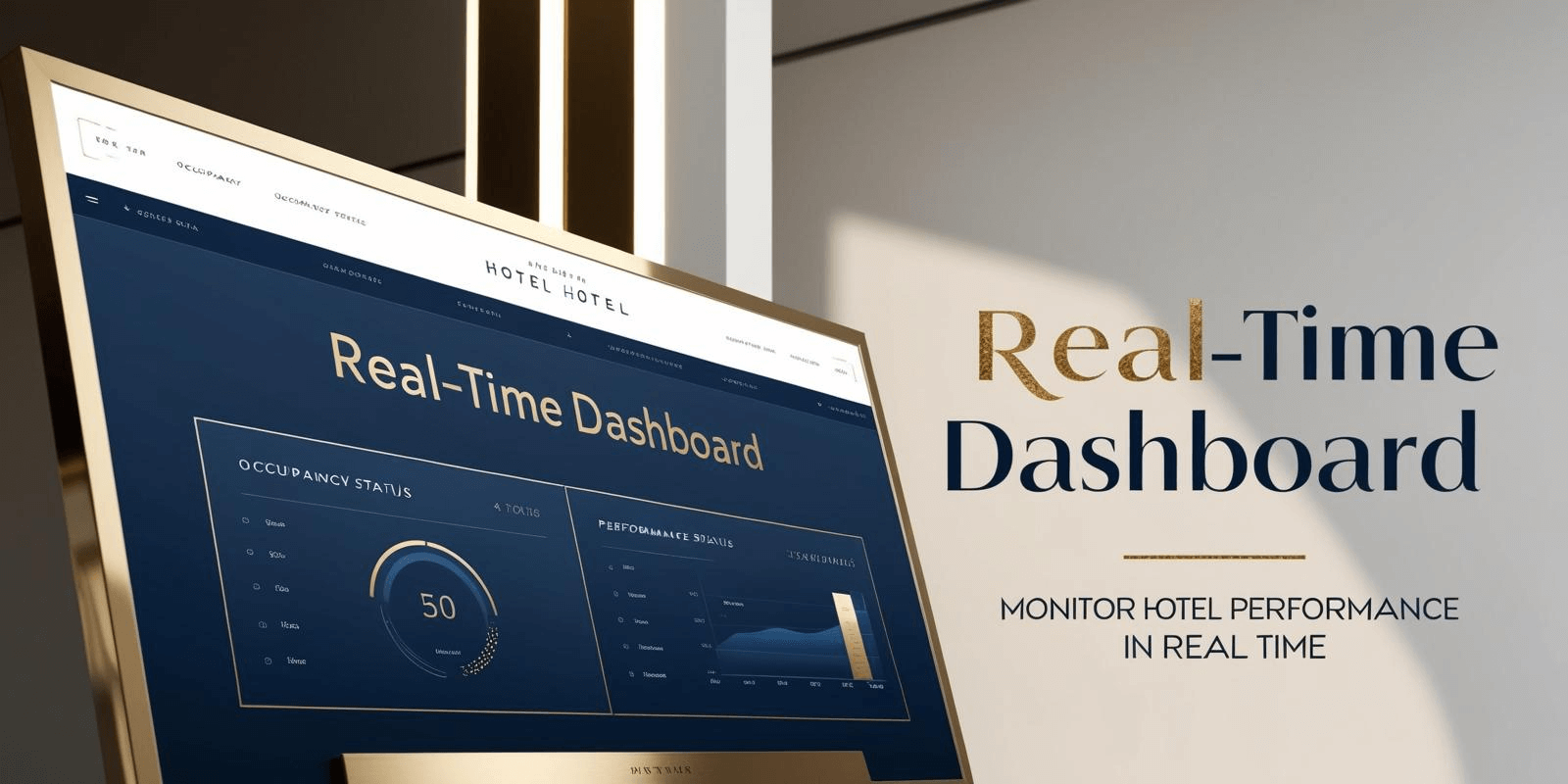
Beyond the financial savings, these platforms provide an essential safety net known as “Duty of Care.” In the event of a geopolitical crisis, natural disaster, or health emergency, the centralized dashboard allows travel managers to see exactly which employees are staying in which hotels at any given second. This capability is not just a convenience; it is a legal and moral obligation for modern employers. The ability to communicate instantly with travelers and arrange for emergency relocations is a benefit that traditional booking methods simply cannot provide.
Real-World Examples of Industry-Leading Solutions
To understand the practical application of these technologies, it is useful to examine the leading platforms that currently define the corporate travel market. These examples highlight the diversity of features available to businesses today.
TravelPerk: The All-in-One Management Suite
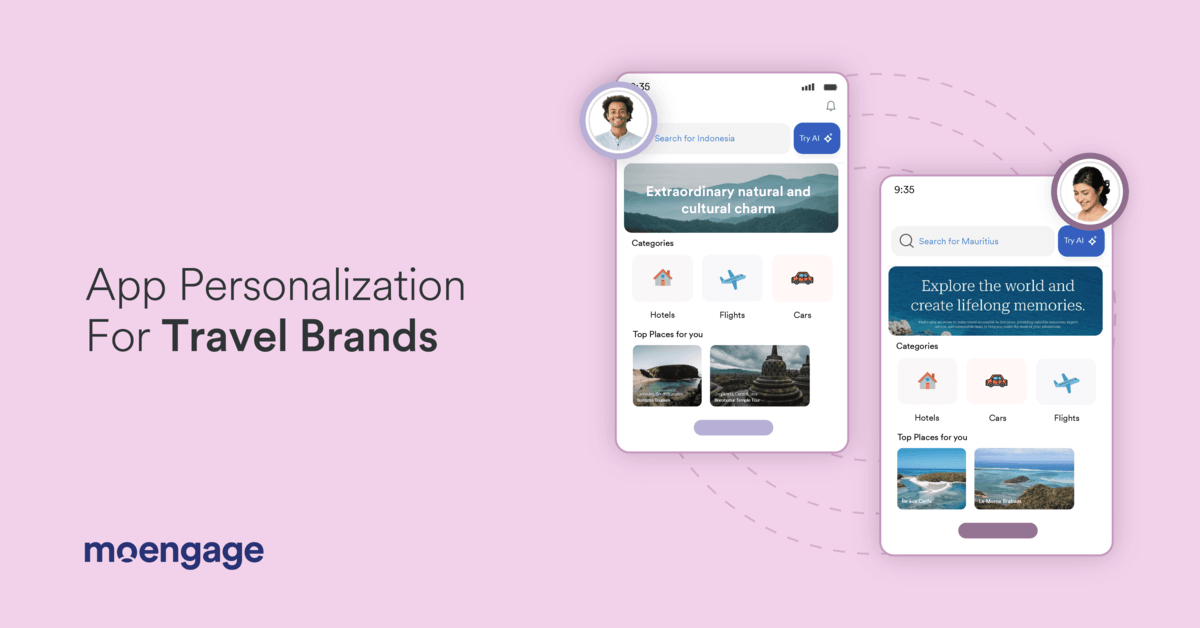
TravelPerk has gained significant traction by focusing on the user experience for both the traveler and the administrator. It solves the “fragmentation problem” by allowing users to book everything in one place while the company receives a single, consolidated invoice. This is particularly relevant for startups and mid-market companies that do not have a dedicated in-house travel department but need the controls and reporting of a large corporation.
The platform’s relevance lies in its “GreenPerk” initiative, which helps companies track and offset the carbon footprint of their hotel stays and flights. As ESG (Environmental, Social, and Governance) reporting becomes mandatory for many businesses in 2026, having a booking tool that automatically calculates the CO2 emissions of a hotel stay provides a massive logistical advantage for sustainability officers.
CWT (Carlson Wagonlit Travel): Enterprise Global Reach

CWT is a titan in the travel management company (TMC) space, focusing heavily on large-scale enterprise clients with complex global needs. Their platform is designed to handle “Managed Travel” on a massive scale, providing localized support in hundreds of countries. For a multinational corporation, the relevance of CWT is its ability to handle complex tax jurisdictions and multi-currency reporting across different regional offices.
The technology used by CWT includes “myCWT,” an AI-enhanced messaging service that allows travelers to change their hotel bookings via text or chat. This solves the problem of “on-the-road friction,” where a traveler might need to extend their stay or change locations due to a meeting move. The enterprise-grade security and data encryption also make it a preferred choice for government and financial sectors.
Navan (Formerly TripActions): AI-Driven Expense Integration
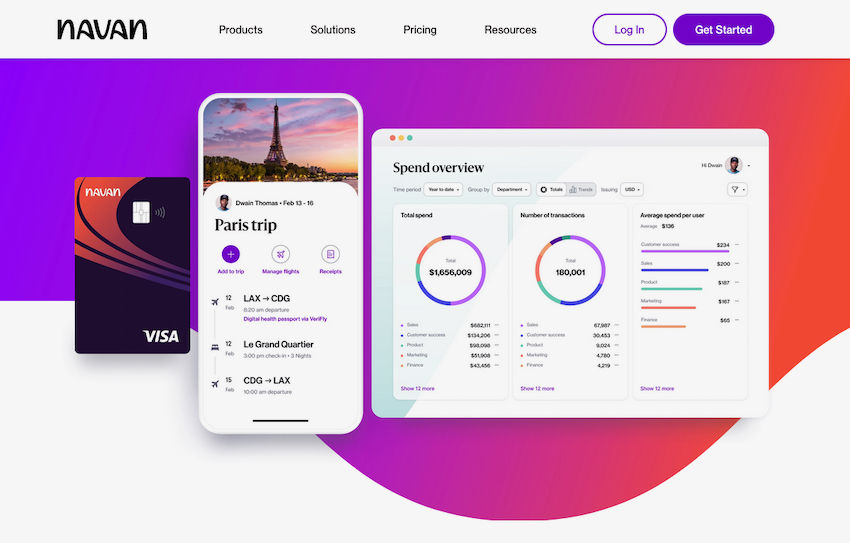
Navan has revolutionized the industry by tightly coupling the booking process with corporate payments and expense management. The problem this solves is “The Expense Report Headache.” Traditionally, an employee would book a hotel, pay with a card, and then manually file a report weeks later. Navan automates this by using virtual cards; when a hotel is booked, a digital payment is generated that is pre-approved and automatically categorized.
The relevance for modern finance teams is “Real-Time Visibility.” Instead of waiting until the end of the month to see how much was spent on lodging, managers can see spending as it happens. The platform also uses a unique “Traveler Incentive” program where employees who choose lower-cost, policy-compliant hotels are rewarded with personal travel credits, effectively gamifying cost-savings for the company.
Egencia: The Business Version of Expedia
Egencia, now part of the American Express Global Business Travel family, offers the familiarity of consumer booking sites but with heavy-duty corporate features. It is highly relevant for companies that want high “Adoption Rates.” If a booking tool is too difficult to use, employees will “leak” out and book on public sites. Egencia’s intuitive interface ensures that employees stay within the managed ecosystem.
The platform provides a “Smart Mix” feature, which uses AI to prioritize search results based on the company’s travel policy and the traveler’s previous preferences. For example, if a company has a preferred partnership with a specific hotel brand, those properties will always appear at the top of the search results, ensuring the business maximizes its volume-based discounts without the traveler having to hunt for them.
American Express Global Business Travel (Amex GBT)
Amex GBT is the gold standard for data-driven travel management. Its relevance to the keyword “corporate hotel booking companies” is its unmatched ability to provide deep-dive analytics. They provide companies with “Benchmarking Data,” allowing a business to see how much they are paying for a hotel in London or New York compared to other companies of a similar size.
This level of insight solves the “Negotiation Gap.” When a company enters annual contract negotiations with major hotel chains, Amex GBT provides the hard data needed to prove the company’s value as a customer. This leads to deeper discounts and better contractual terms that smaller, unmanaged companies simply cannot access.
Solving Complex Business Problems through Managed Lodging
One of the most pervasive problems in corporate travel is “Hotel Attachment.” This occurs when an employee books a flight through the company tool but then books their hotel elsewhere. This creates a data “black hole” where the company doesn’t know where the employee is staying. Corporate booking companies solve this by offering “integrated trip flows” that prompt the user to add a hotel immediately after selecting a flight, often offering exclusive “bundled” rates that are only visible when booked together.
Another critical issue is “VAT and Tax Compliance.” For companies with international travel, reclaiming VAT on hotel stays can save thousands of dollars annually. However, the process is notoriously difficult. Professional booking platforms solve this by ensuring that all invoices are “VAT-compliant” and by partnering with specialized tax reclamation services that automatically pull the necessary data from the booking system. This turns a complex accounting burden into an automated revenue stream for the company.
Why Organizations Need These Solutions in 2026
In the current economic climate, the “Why” behind using a corporate booking company has shifted from simple convenience to “Total Cost of Ownership” (TCO) management. It is no longer enough to just find a cheap room; companies must account for the time spent booking, the cost of processing expenses, the risk of traveler safety, and the environmental impact. Managed travel platforms provide a single “source of truth” that addresses all these variables simultaneously.
Furthermore, the “Bleisure” trend—where employees combine business trips with leisure days—has made travel management more complex. Corporate booking companies have evolved to allow “Split-Payment” options, where the company pays for the business portion of the hotel stay and the employee pays for the extra days using a personal card, all within the same booking. This flexibility is essential for employee retention and satisfaction in the modern hybrid work era.
Frequently Asked Questions
What is the difference between an OTA and a corporate booking company? An Online Travel Agency (OTA) like Booking.com or Expedia is designed for individual consumers and focuses on the lowest public price. A corporate booking company focuses on business-specific needs, such as travel policy compliance, negotiated corporate rates, detailed reporting, consolidated invoicing, and “Duty of Care” features that OTAs typically do not offer.
Does a company need to be large to use these services? No. While large multinationals have used these services for decades, modern “SaaS” (Software as a Service) platforms have made it affordable for small and medium-sized enterprises (SMEs) to access the same technology. Many platforms now offer “no-fee” tiers for smaller teams, making professional travel management accessible to everyone.
How do these platforms handle cancellations and changes? Unlike consumer sites where “non-refundable” rates are common, corporate booking platforms prioritize “Business Flex” rates. The technology often includes automated “Re-shopping” tools that continue to monitor hotel prices after you book; if the price drops for the same room, the system will automatically re-book at the lower rate, saving the company money without any human intervention.