Comprehensive Guide to Leveraging trivago Business Studio for Hospitality Success
In the modern digital era, the path a traveler takes from initial inspiration to final booking is increasingly complex. At the center of this journey is the metasearch engine, a powerful tool that aggregates prices and information from hundreds of sources. For hotel owners and managers, understanding the “trivago business” ecosystem is no longer optional; it is a fundamental requirement for maintaining a competitive edge. The platform acts as a bridge, connecting independent boutiques and international chains alike to millions of monthly users who are actively looking for their next stay.
The core of this ecosystem is the Business Studio, a dedicated management portal that allows hoteliers to curate their online identity. By claiming a property, a business gains the ability to manage how its brand is perceived on a global scale. This involves more than just uploading photos; it is about managing the “Data Health” of the listing, ensuring that every amenity—from high-speed Wi-Fi to pet-friendly policies—is accurately represented to match the specific filters travelers use during their search process.
The Architecture of Metasearch Intelligence
The technology behind the Business Studio is built on a sophisticated data-processing engine that handles billions of price updates daily. For a hotelier, the primary advantage is the “Rate Connect” technology. This allows a property to display its direct website rates alongside those provided by large Online Travel Agencies (OTAs). By utilizing an API-driven connection, the platform ensures that there is no “rate disparity,” which is one of the leading causes of guest friction. When a guest sees the same or a lower price on the official hotel site, they are statistically more likely to book direct.
Furthermore, the platform utilizes advanced “Market Intelligence” algorithms. These tools analyze local market trends, identifying when demand in a specific city is rising due to events, holidays, or seasonal shifts. The technology provides hoteliers with a “Proactive Alert” system, suggesting when they should boost their visibility to capture this surging traffic. This level of technical insight transforms a passive listing into an active sales agent that works 24/7 to optimize occupancy rates.
Enhancing Brand Authority through Content Optimization
Content is the currency of the digital marketplace. Within the business interface, hoteliers can access “Image Analytics,” a tool that helps determine which photos are driving the most engagement. It isn’t just about having high-resolution images; it’s about the sequence and the subject matter. The technology identifies if travelers in certain regions prefer seeing the room interiors over the exterior architecture, allowing managers to tailor their visual storytelling to the specific audience most likely to book.
Beyond visuals, the platform emphasizes the importance of “Review Management.” By aggregating feedback from various sources across the web, the Business Studio provides a unified “Reputation Score.” This score is a critical component of the search algorithm; properties with higher ratings and active management responses are prioritized in search results. This creates a virtuous cycle: better management leads to better visibility, which leads to more bookings and, ultimately, more data to further refine the business strategy.
Practical Applications and Market Examples
To understand the versatility of metasearch management, it is helpful to look at how different segments of the industry utilize these tools to solve specific visibility and conversion challenges.
Independent Boutique Hotels

For independent properties, the biggest challenge is often the massive marketing budgets of global chains. The business platform levels the playing field by allowing these smaller entities to compete on “Niche Relevance.” A boutique hotel can use the platform to highlight its unique selling points—such as an award-on-site spa or a farm-to-table restaurant—directly to travelers using specific lifestyle filters.
The relevance here lies in the “Cost-Per-Click” (CPC) model, which allows small businesses to control their daily spend. Instead of a flat advertising fee, they only pay when a high-intent traveler clicks through to their site. This ensures that a limited marketing budget is spent on users who have already expressed interest in the specific location and price point of the boutique property.
Large Scale Resort Clusters

Large resorts often struggle with “Inventory Perishability,” where hundreds of rooms must be filled every single night to maintain profitability. These entities use the Business Studio’s “Special Offers” feature to push last-minute deals to a global audience. When the system detects a dip in projected occupancy for a future date, the resort can highlight a “Stay 3, Pay 2” deal or a complimentary breakfast offer directly on the comparison page.
The value for a resort cluster is the “Multi-Property Management” capability. From a single login, a corporate manager can oversee the performance of twenty different locations, comparing which ones are winning the “Price War” against local competitors. This centralized data allows for rapid pivots in strategy, ensuring that the entire portfolio remains healthy and visible.
Urban Business Hotels
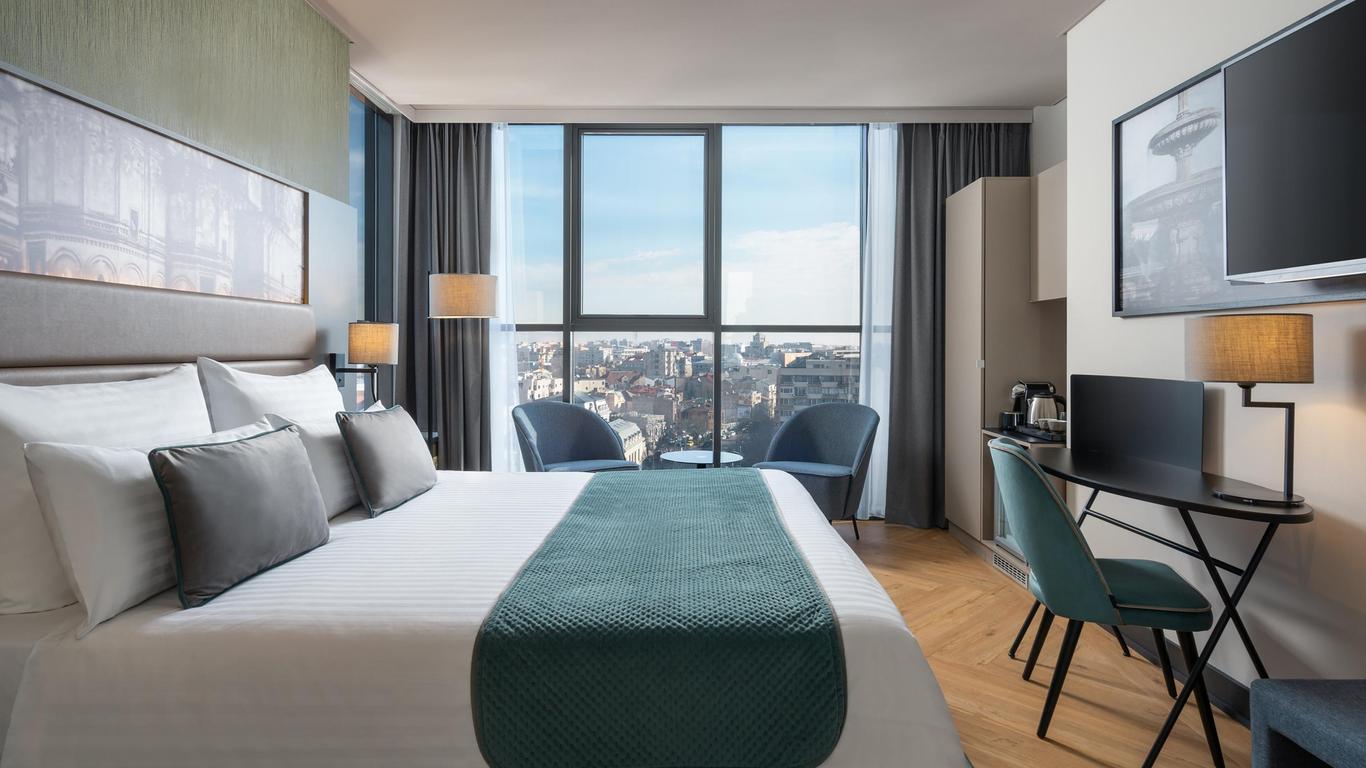
Urban hotels rely heavily on midweek traffic from corporate travelers. These users have very specific needs, such as proximity to transit, fast internet, and flexible cancellation policies. By using the “Business Features” tag within the studio, these hotels can ensure they appear in searches specifically filtered for work-related trips.
The relevance in this use case is the “Competitor Tracker.” In a dense city, a hotel might be surrounded by dozens of similar properties. The business tools allow the manager to select a “Comp Set” (Competitive Set) and receive weekly reports on how their pricing and guest satisfaction scores compare to their direct neighbors. This prevents the hotel from being priced out of the market during busy convention weeks.
Eco-Resorts and Sustainable Lodgings

As sustainable travel becomes a priority for younger demographics, eco-resorts use the platform to showcase their “Green Certifications.” The business interface allows for the inclusion of specific sustainability badges that are verified by third-party organizations. This targets the “Value-Driven Traveler” who is willing to pay a premium for a property that aligns with their environmental ethics.
For these niche properties, the Business Studio provides a “Search Intent” breakdown. It reveals how many people found the property using terms like “eco-friendly” or “sustainable.” This data is invaluable for the resort’s marketing team, as it confirms that their investment in green technology is actually translating into visibility and interest on the world’s largest search platforms.
Budget-Conscious Chain Motels
In the budget segment, the primary driver is “Price Transparency.” These properties use the business platform to ensure that their “Walk-In” rates are consistent with what is shown online. If a traveler discovers a discrepancy, it can lead to a loss of trust. The automated rate-syncing technology solves this by keeping all digital storefronts in perfect harmony.
The benefit here is the “Visibility Boost” for underperforming periods. When a budget chain opens a new location, it has no historical data or reviews. The business tools allow them to “Promote” the new listing, pushing it to the top of the results for a specific period to kickstart the collection of reviews and guest data.
Strategic Advantages of Real-Time Analytics
The transition from traditional marketing to metasearch management offers several profound advantages. Perhaps the most significant is “Direct Traffic Ownership.” In the traditional OTA model, the booking site “owns” the guest data until the moment they check in. By using the Business Studio to drive direct clicks, the hotel captures the guest’s email and preferences at the point of sale. This allows for better pre-stay communication, such as offering a room upgrade or a spa reservation before the guest even arrives.
Another advantage is the “Dynamic Agility” the platform provides. In the past, changing a hotel’s marketing focus could take weeks of planning. Today, a manager can log into the dashboard, update their “Promoted Gallery,” change a featured amenity, and see those changes reflected globally within minutes. This speed is essential in a market where travel restrictions, weather events, or local festivities can change traveler behavior overnight.
Real-World Problem Solving and Use Cases
One of the most common problems in the hospitality industry is “The Billboard Effect” decay. The Billboard Effect is a phenomenon where guests discover a hotel on a third-party site but then visit the hotel’s own website to book. However, if the hotel’s presence on the search engine is poor—low-quality photos or missing info—the guest never makes that second jump. The Business Studio solves this by providing “Content Strength” scores, telling the hotel exactly what is missing to keep the guest’s attention.
Another critical use case is “Combating Revenue Leakage.” Revenue leakage occurs when a hotel pays a high commission to an OTA for a guest who was actually looking for that specific hotel by name. By using “Rate Connect,” a hotel can ensure that when someone searches for their specific brand name, the “Official Website” link is the most prominent option. This saves the hotel a significant percentage of the booking value, which can then be reinvested into the guest experience or further marketing.
Finally, the platform addresses the “Market Blindness” issue faced by many seasonal properties. A resort in the Alps might not realize that interest from travelers in South America is spiking for the upcoming winter season. The “Visitor Origin” data in the Business Studio illuminates these hidden pockets of demand, allowing the hotel to create targeted marketing campaigns or even hire staff with specific language skills to cater to the incoming wave of guests.
Frequently Asked Questions
How does the business platform differ from a standard travel search engine? For travelers, the platform is a comparison tool. For business owners, it is a comprehensive B2B dashboard. It provides the backend tools necessary to influence how a property appears to those travelers, including rate management, content optimization, and competitive benchmarking that is not visible to the general public.
Can a hotel use the business tools without a large IT department? Yes, the interface is designed to be user-friendly and “self-service.” While some advanced features like “Rate Connect” require a technical link to a Booking Engine or Channel Manager, the vast majority of content management and analytics tools are accessible to any hotel manager with basic computer skills.
Is the data provided in the dashboard updated in real-time? Most performance metrics, such as clicks and impressions, are updated very frequently, often within a 24-hour window. Price updates via the technical APIs occur in near real-time, ensuring that the rates travelers see are the most current prices available from the hotel’s own system.