Strategic Approaches to Optimizing Business Hotel Deals for Modern Enterprises
The pursuit of “business hotel deals” has evolved far beyond a simple search for the lowest price on a consumer travel site. For the modern organization, a “deal” represents a delicate balance between cost-efficiency, location convenience, and the provision of essential amenities that facilitate professional productivity. In 2026, the hospitality landscape is increasingly data-driven, where hotels use dynamic pricing models that change by the hour. Understanding the mechanics behind these fluctuations is the first step for any travel manager or frequent business traveler looking to secure value without sacrificing the quality of the stay.
Business-specific lodging deals are unique because they often include “value-adds” that a leisure traveler might overlook. These include high-speed, secure Wi-Fi, flexible cancellation policies (essential for shifting meeting schedules), and breakfast-inclusive packages that simplify expense reporting. Securing these deals requires a shift from transactional booking to strategic sourcing, where historical data and volume-based commitments are used as leverage during negotiations with major hotel chains and boutique properties alike.
The Role of Predictive Analytics and AI in Corporate Rates
The technology currently defining the business travel sector is centered on predictive analytics. Modern platforms now use machine learning to scan millions of data points, including local events, historical occupancy, and even weather patterns, to predict when a hotel’s rate is likely to drop or spike. This allows businesses to move away from “static” negotiated rates—which stay the same all year—to “dynamic” negotiated rates that offer a percentage discount off the best available rate, ensuring the company always benefits when market prices dip.
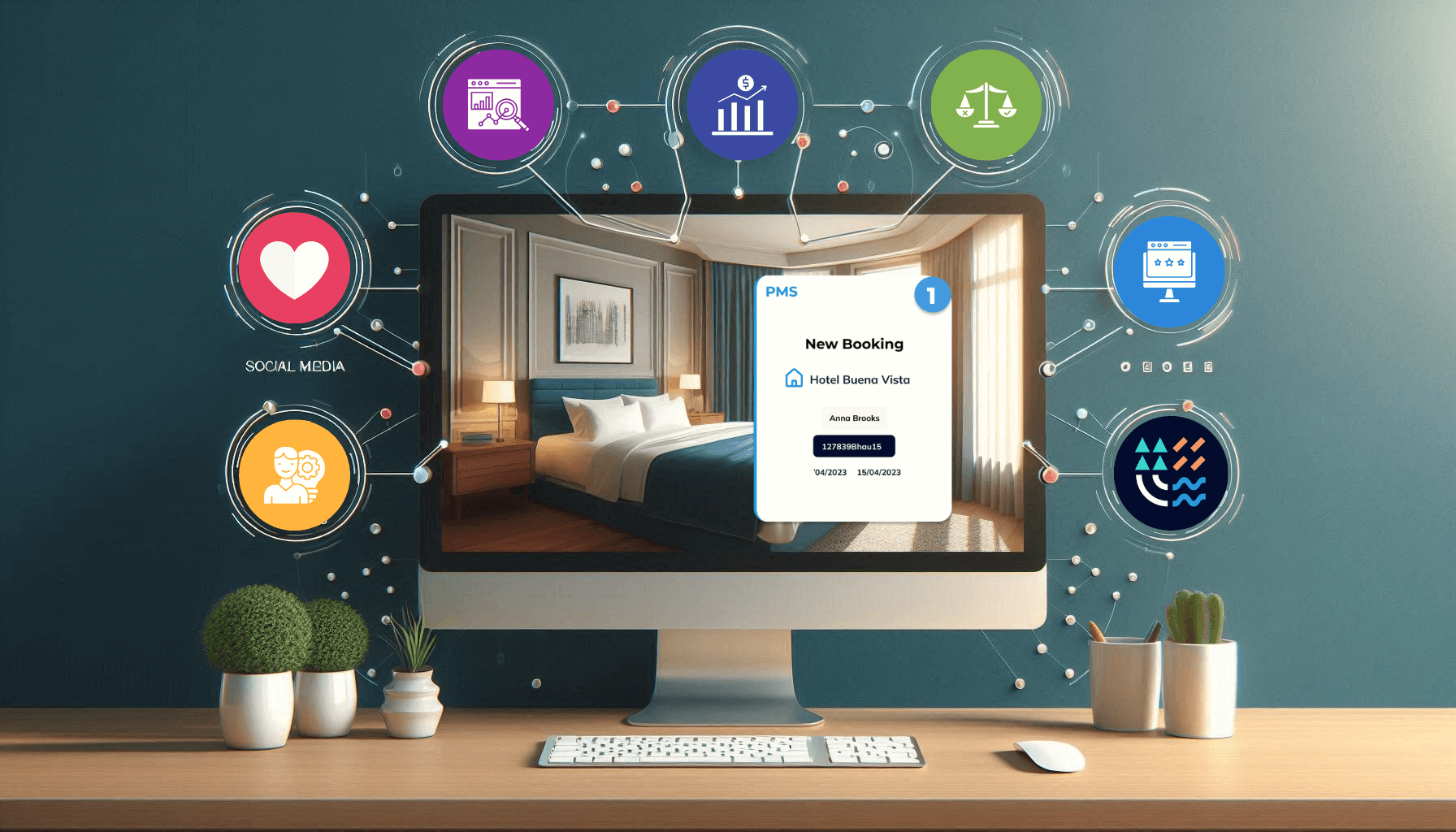
Furthermore, cloud-based travel management systems provide real-time visibility into “leakage.” This occurs when employees book outside of the corporate channel, missing out on pre-negotiated deals and making it harder for the company to track its total spend. By integrating these booking tools with automated expense management, technology ensures that every booking is captured, analyzed, and used to strengthen the company’s bargaining position for the following year’s contract negotiations.
Maximizing Productivity Through Amenity-Focused Deals
When evaluating business hotel deals, the “Total Cost of Stay” must be the primary metric. A hotel that is $20 cheaper but located 30 minutes further from the client’s office results in lost billable hours and increased transportation costs. Intelligent business deals prioritize properties that offer “Business Class” lounges and co-working spaces. These environments allow travelers to remain productive during the “in-between” times of their trip, such as the hours between checking out and heading to an evening flight.
Another significant technological benefit is the rise of contactless, mobile-first guest experiences. Deals that include digital key access and mobile check-in/out are highly valued by corporate travelers who want to avoid the friction of a traditional front desk. This technology doesn’t just save time; it provides a seamless transition from the airport to the workspace, ensuring that the traveler arrives at their meeting refreshed and prepared rather than frustrated by administrative delays.
Real-World Examples of Business Lodging Solutions
The following examples illustrate how different platforms and services manifest the concept of business hotel deals in a professional context, focusing on their utility and market relevance.
1. SAP Concur Travel and Expense
SAP Concur is a cornerstone of the corporate travel world, specifically designed to solve the problem of fragmented travel data. Its relevance to business hotel deals lies in its ability to aggregate “GDS” (Global Distribution System) rates with “hidden” corporate discounts that are not available to the general public. By funneling all bookings through this system, a company can prove its volume to hotel partners, which is the most powerful tool for securing lower rates in future quarters.
The platform provides a “Rate Audit” feature, which automatically checks if the price of a booked room has decreased. If a better deal is found for the same room type and dates, the system can alert the travel manager to re-book at the lower price. This automated vigilance ensures that the business is always getting the best possible value without requiring manual monitoring.
2. Marriott Bonvoy for Business
Marriott’s dedicated business program is a prime example of a “Supplier-Direct” deal structure. It is designed specifically for small to medium-sized enterprises (SMEs) that may not have the massive volume of a Fortune 500 company but still want discounted rates. The relevance here is the “Loyalty-Business Hybrid” model, where the company saves money on the nightly rate while the individual employee still earns points toward their personal elite status.
The program solves the problem of “Traveler Satisfaction.” When employees feel they are being forced into “cheap” hotels, morale can suffer. Marriott for Business provides a massive range of brands—from Courtyard to Ritz-Carlton—ensuring that the business can find a deal that fits its budget while still providing the high-quality environment that professional travelers expect.
3. HRS (Hotel Reservation Service) Green Stay Initiative

HRS is a global leader in corporate lodging, and their Green Stay initiative is highly relevant in 2026 as corporate social responsibility (CSR) becomes a mandatory part of business operations. This tool allows companies to find “deals” that are not just financially sound but also environmentally responsible. It provides a standardized metric to compare the sustainability of different hotels, allowing travel managers to prioritize properties that align with the company’s ESG goals.
The problem this solves is the “Reporting Gap.” Previously, it was nearly impossible for a company to calculate the environmental impact of its business travel accurately. By using HRS’s technology, the company can access a dashboard that shows the total CO2 emissions of their hotel stays. This data is becoming as important as the price itself when selecting a preferred hotel partner.
4. Egencia (by American Express GBT)
Egencia represents the evolution of the “User-Centric” booking platform. Its relevance to business deals is found in its “Smart Mix” technology. This AI-driven feature learns the company’s travel policy and the traveler’s personal preferences to present the best “deals” at the top of the search results. It effectively prevents “decision fatigue” by filtering out irrelevant options and highlighting the choices that offer the best balance of price and policy compliance.
This platform solves the “Adoption Problem.” If a corporate tool is difficult to use, employees will go to consumer sites. Egencia’s interface is as simple as any consumer app, but it keeps the traveler within the corporate ecosystem. This ensures that the company captures all its data and that the traveler is always booking the specific rates that the company worked hard to negotiate.
5. TravelPerk FlexiPerk

TravelPerk’s FlexiPerk feature is a revolutionary approach to business hotel deals. It addresses the volatility of business travel by allowing any booking to be cancelled up to two hours before check-in for a 90% refund, even if the hotel’s own rate was “non-refundable.” The relevance here is “Risk Mitigation.” A “cheap” non-refundable deal becomes very expensive if the meeting is cancelled and the money is lost.
This service solves the “Rigidity Problem” of traditional business deals. It allows travel managers to book lower-cost, non-refundable rates with confidence, knowing they have an insurance-like layer of protection. This flexibility is a critical component of a “good deal” in a world where business plans can change in an instant.
Strategic Problem Solving in Corporate Lodging
The most pervasive problem these technologies and strategies solve is “Invisible Spend.” When employees book hotels haphazardly, the finance department has no way of knowing how much is being spent until the expense reports come in weeks later. By utilizing a centralized approach to business hotel deals, companies gain “Real-Time Visibility.” This allows for immediate budget adjustments and ensures that the company isn’t accidentally overspending during a peak quarter.
Another critical issue is “Duty of Care.” In an unpredictable global environment, knowing exactly where your employees are staying is a legal necessity. Business hotel deals managed through professional platforms ensure that every traveler is “on the map.” If an emergency occurs in a specific city, the travel manager can immediately identify which employees are in the affected area and provide the necessary support, a feat that is impossible if bookings are scattered across various consumer platforms.
The Long-Term Value of Managed Business Travel
People and organizations need to use these sophisticated approaches because the “sticker price” of a hotel room is only one part of the financial equation. The time lost to inefficient booking processes, the cost of processing manual expense reports, and the missed opportunities for VAT reclamation can add up to 20% to the cost of a trip. Managed business hotel deals eliminate these “soft costs” through automation and integration.
Furthermore, the relationship-building aspect of corporate deals cannot be overstated. When a company consistently sends travelers to a specific hotel brand, they become a “Preferred Guest.” This leads to perks that go beyond the room rate, such as late check-outs, room upgrades, and a higher level of personalized service. In the professional world, these “soft” benefits are often what make a business trip successful, allowing the traveler to focus entirely on their mission rather than their logistics.
Frequently Asked Questions
What is the difference between a negotiated rate and a public rate?
A public rate is what you see on websites like Expedia or Booking.com, which fluctuates based on market demand. A negotiated rate is a specific price (or a specific percentage discount) that a company has agreed upon directly with a hotel chain. These rates often include “Last Room Availability,” meaning the company gets that price even if there is only one room left in the hotel.
Is it always cheaper to book a business hotel deal through a corporate tool?
While the nightly rate might occasionally be lower on a consumer site due to a “flash sale,” the corporate deal is usually better value overall. Corporate deals typically include breakfast, Wi-Fi, and flexible cancellation—features that often cost an extra $50–$100 if added to a “cheap” public rate. Additionally, corporate bookings are much easier to expense and track.
Can small businesses get the same deals as large corporations?
While small businesses may not have the same individual bargaining power as a global giant, they can access similar deals by using “Aggregator Platforms” like Marriott for Business or TravelPerk. These platforms group thousands of small businesses together to create “collective volume,” allowing even a company with only five employees to access corporate rates that were previously reserved for the world’s largest firms.